

Building Back Better: Green, Healthy and Inclusive Cities
19 SEPTEMBER 2025 /Blog
The World Bank’s GPSC Global Online Series explores how cities can leverage the COVID-19 pandemic’s unprecedented disruption to facilitate a more environmentally and socially sustainable recovery. The weekly series benefits from GPSC’s wide network, bringing together perspectives from city leaders, financial institutions, international agencies, and urban practitioners.
Cities are on the frontlines of coping with an unprecedented global crisis; they are also at the forefront of leading pandemic recovery efforts. An urgent challenge facing many cities is how to replace lost jobs, reboot economic growth and restore public confidence in urban living, while ensuring long-term sustainability and resilience against future shocks.
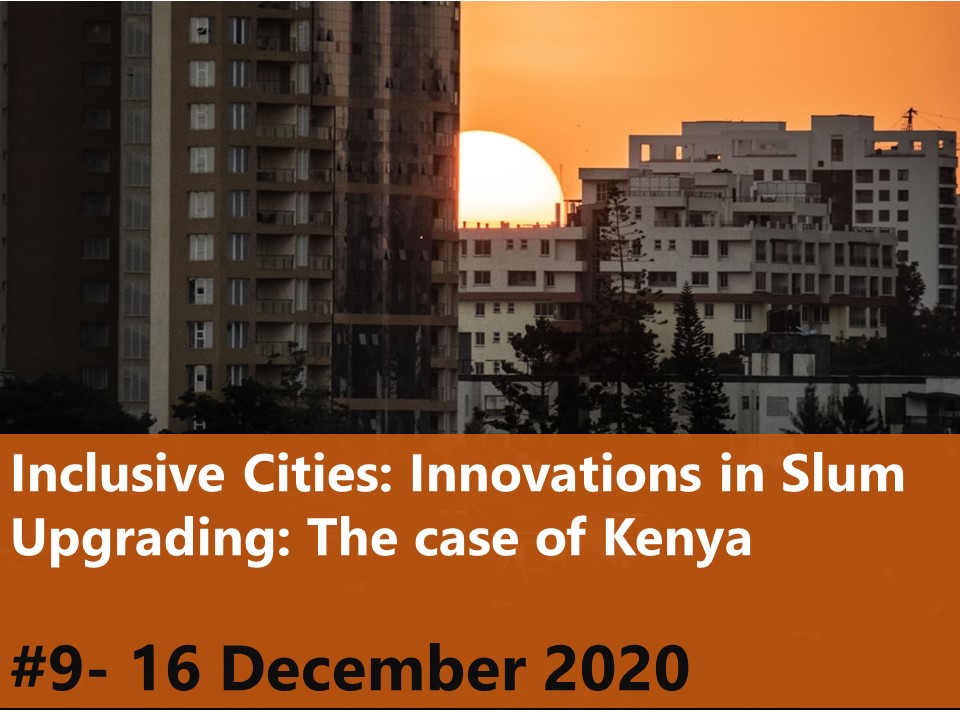
COVID-19 has laid bare the need to improve the urban environment, especially for communities disproportionally affected by the pandemic. The first part of the series will explore the potential for a green recovery – through initiatives such as restoring natural ecosystems, avoiding biodiversity loss, mitigating climate change, and improving air quality. The second and third will look at how to build a stronger foundation for healthy and inclusive cities through increased access to public services, such as clean water and sanitation facilities, along with affordable housing, public transportation, and social safety nets.
Follow the links below to access sessions’ key takeaways, video recordings, and presentation slides.