GPSC Themes

From climate and culture to data, nature, inclusivity, and finance, these GPSC themes address the interconnected dimensions of urban sustainability. They offer an integrated lens for cities to align policy, planning, and investment toward greener, more liveable, and equitable futures.
Themes

Circular

Circular cities reduce waste and regenerate resources by rethinking production, consumption, and material flows. Through circular design, green construction, and sustainable urban systems, cities...

Climate

An estimated 70 percent of global greenhouse-gas emissions come from cities. Rapid urbanization is expected to continue, intensifying even further the energy use in the cities. Yet there is also an opportunity. Cities are also where the greatest energy efficiencies can take place.

Data

Urban data and digital tools empower evidence-based planning and decision-making. By integrating geospatial analysis, open data, and performance tracking, cities can design smarter, more transparent, and more accountable sustainability actions.

Finance

Innovative urban finance drives transformation by linking knowledge and investment. Cities mobilize public and private capital, adopt blended finance and green bonds, and integrate nature and climate...

Inclusivity

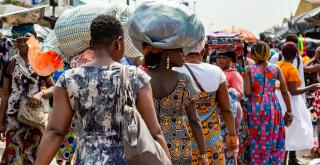
Inclusive urban transformation ensures that all residents—especially women, youth, and vulnerable groups—benefit from sustainable growth. By integrating equity, accessibility, and participation into planning, cities build social cohesion and resilience.

Mobility

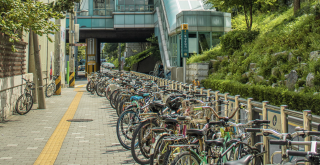
Sustainable mobility links people, jobs, and opportunities through low-carbon, accessible, and equitable transport systems. Compact urban design and investment in public transit, cycling, and...

Nature

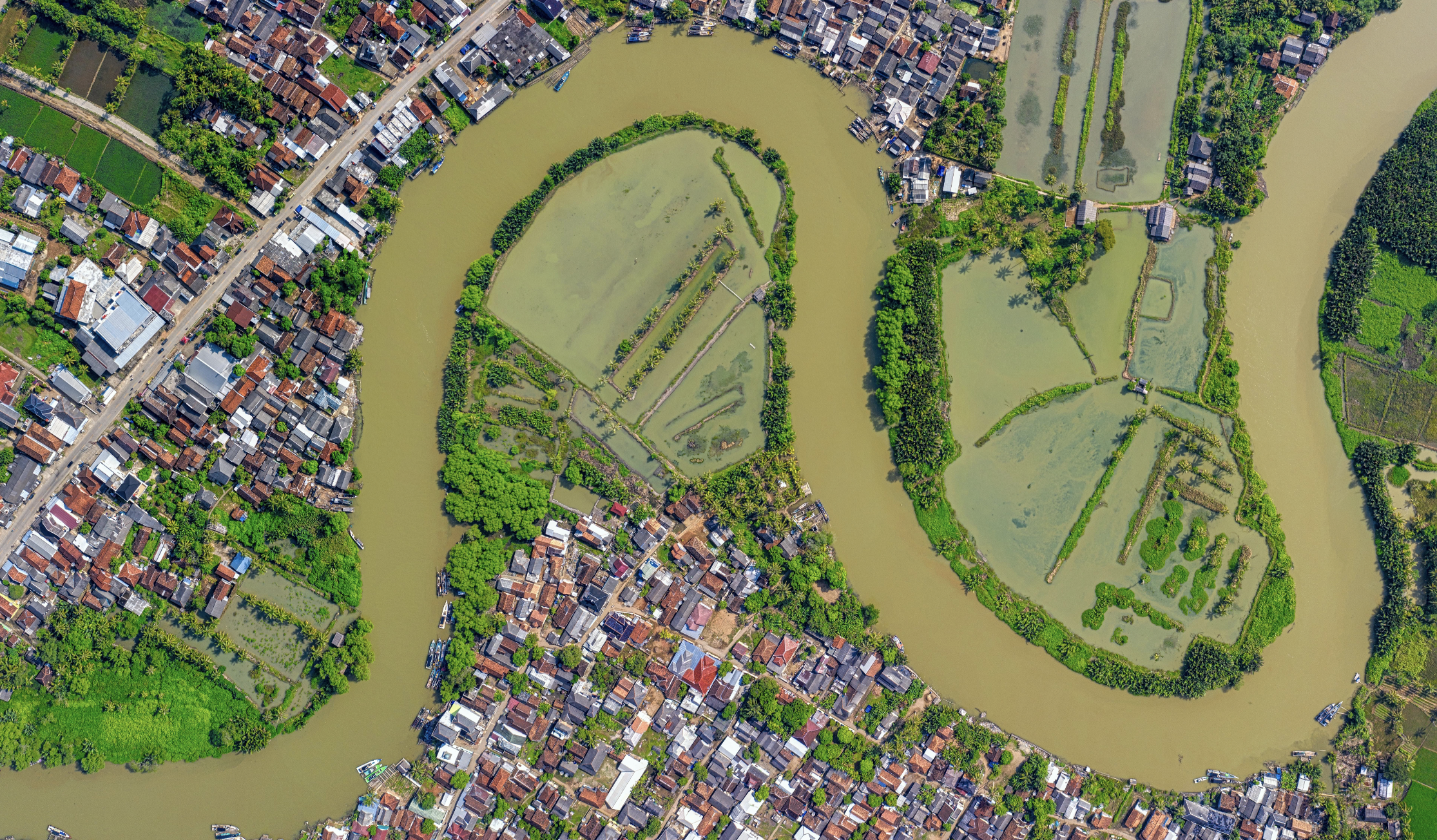
Nature-positive cities restore ecological systems through green corridors, urban forests, wetlands, and parks. Integrating biodiversity and nature-based solutions enhances resilience to climate risks, improves well-being, and reconnects people with the natural environment.

Planning

Urban planning provides the framework for sustainable city transformation. It aligns land use, infrastructure, housing, mobility, and environmental systems through integrated, data-driven strategies...

Tourism

Tourism shapes how cities grow and connect to their natural and economic systems. Integrating sustainable tourism into urban planning can help protect ecosystems, activate public spaces, and support local economies while promoting low-impact, resource-efficient development.