Nature
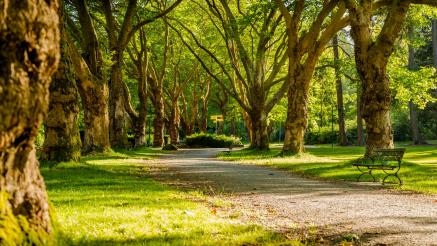
Nature-positive cities integrate ecological systems into their urban fabric, restoring balance between built and natural environments. Urban forests, wetlands, and green corridors not only enhance biodiversity but also regulate temperature, absorb carbon, and reduce flood risks. When cities invest in nature-based solutions, they build resilience, improve public health, and reconnect citizens with the environment that sustains them. Nature is not a luxury—it is essential infrastructure for urban well-being and climate adaptation.
Nature-based solutions are at the core of the GPSC’s approach to building resilient, livable, and low-carbon cities. Through the Urban Nature Program, developed in partnership with UNEP, ICLEI, IUCN, and C40 Cities, the GPSC helps cities protect biodiversity, restore ecosystems, and integrate nature into planning and design. The program also led the Cities4Biodiversity (C4B) initiative, which fostered peer learning and global collaboration on urban nature.
Learn more about these efforts by visiting the Urban Nature Program initiative page. Explore more resources in the GPSC Knowledge Products, featuring case studies, toolkits, and technical guidance from cities around the world that highlight how nature drives urban resilience. Use the filters and categories to navigate by theme or topic and find content tailored to your city’s priorities.