

Piloting Nature-based Solutions for Urban Cooling
27 DECEMBER 2022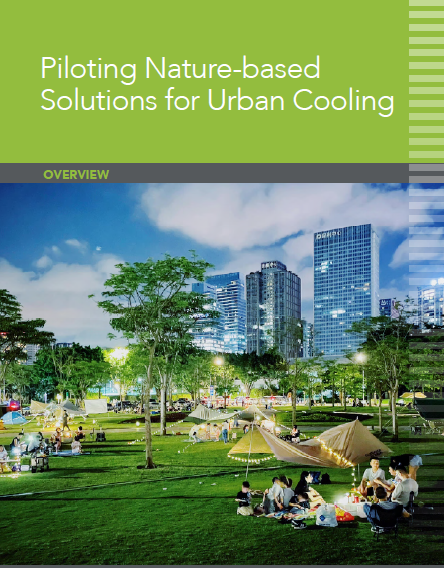
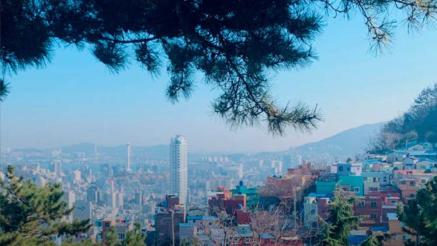
Reducing excess urban heat and protecting populations from extreme temperatures is one of the 21st century’s key resilience and sustainability challenges. As the planet warms, cities are increasingly finding that they need new ways to keep urban temperatures down to protect their residents. Urban cooling options have primarily focused on space cooling through air conditioning. Nature-based solutions and leveraging urban design to cool cities have yet to be fully deployed and understood, especially by policymakers and urban planners. These solutions include both natural and man-made green and water features as well as urban planning that minimizes and dissipates heat retention with wind flows; they also include modifications to the solar reflectivity of urban roofs, walls, and roads to lower the amount of solar energy absorbed by urban surfaces.
The World Bank in collaboration with Guangzhou Municipal Planning and Natural Resources Bureau and Guangzhou Urban Planning & Design Survey Research Institute, conducted three pilot activities at different sites to test nature-based solutions and urban design as part of urban cooling options. Click on the links below to download the reports: