

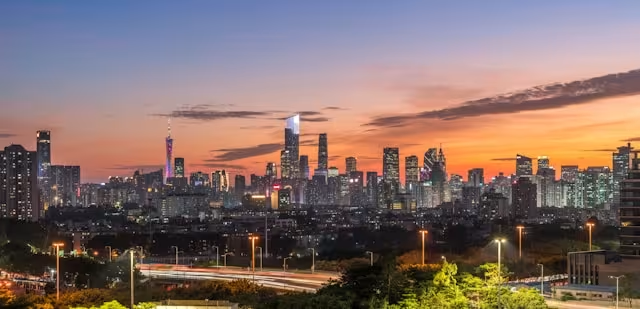
Guangzhou

AREA:
7,434.4 km2 (2,870.4 sq mi)
POPULATION:
18,676,605
China

Guangzhou, a global metropolis in southern China’s Pearl River Delta, is an active member of the Global Platform for Sustainable Cities (GPSC). The city contributes to the network by sharing its experiences in sustainable mobility, waste management, and the integration of urban nature into dense metropolitan areas. As the host of the 2025 GPSC Asian Regional Academy, Guangzhou is fostering knowledge exchange on nature-based solutions, climate resilience, and inclusive governance. Through its participation, the city supports peer learning across the GPSC network, highlighting how large, fast-growing cities can embed biodiversity and green infrastructure into urban transformation while sustaining economic vitality.

Related Content

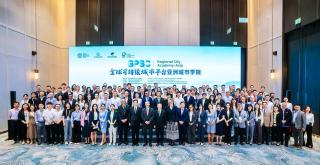
GPSC Hosts First City Academy for Asia in Guangzhou The Academy convened Asian policymakers and experts to advance integrated, sustainable urban development through peer learning, dialogue, and partnerships.
News & Blogs

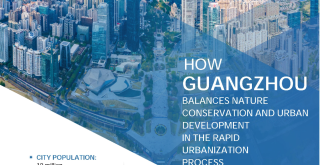
How nature-based urban solutions can help cities to stay cool: the case of Guangzhou Guangzhou shows how nature‑based cooling—wind corridors, green spaces, water, and traditional design—can cut urban heat sustainably.
News & Blogs

GPSC Regional City Academy in Asia The Regional City Academy convened Asian cities to exchange knowledge on resilience, nature‑based solutions, and sustainable planning.
Events

Piloting Nature-based Solutions for Urban Cooling The World Bank and Guangzhou piloted nature‑based and design‑based urban cooling solutions, producing guidelines to support wider application.
Knowledge Product
Recent Initiatives

Transit-Oriented Development

Transit-Oriented Development integrates transport planning, land use, and urban design to create compact, connected, and livable cities.

Municipal PPP

Municipal Public-Private Partnerships are long-term collaborations between local governments and private entities to deliver infrastructure and public services.

Gender and Cities

Women and girls face disproportionate climate impacts in cities, making gender equality essential to achieving resilient, inclusive urban development.