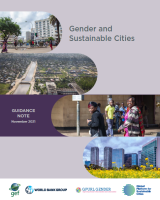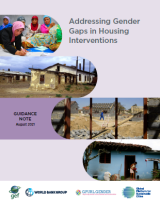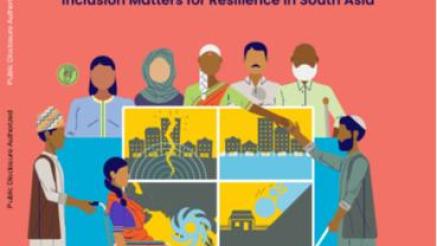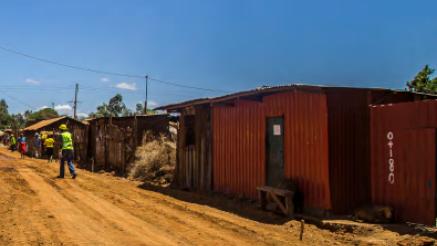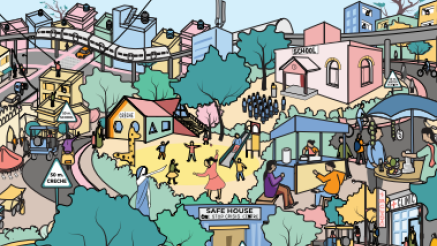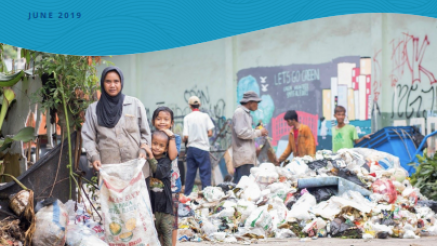


Gender equality is essential to achieving sustainable, resilient, and inclusive cities. Climate change, environmental degradation, and rapid urbanization disproportionately affect women and girls—particularly those living in informal settlements—due to persistent inequalities in access to services, mobility, safety, economic opportunities, and decision-making. At the same time, women play a critical role in climate adaptation, community resilience, and the transition to low-carbon urban development. Integrating gender considerations into urban planning and investment is therefore fundamental to delivering effective and equitable sustainability outcomes.
The GPSC, hosted by the World Bank, integrates gender equality as a core dimension of sustainable urban development. Building on the World Bank Group’s commitment to closing gender gaps in access to opportunities, assets, services, voice, and agency, the GPSC works closely with the World Bank Gender Group, the GEF gender team, and gender experts across its global partner network. Gender considerations are embedded across GPSC activities—from knowledge products and guidance notes to capacity building and country-level engagement.
The GPSC supports cities and project teams in translating gender principles into practice across key urban sectors, including land-use planning, housing, mobility, public space design, climate resilience, and nature-based solutions. This includes addressing gender-differentiated climate risks, improving safety and accessibility in cities, and expanding women’s participation in green jobs and decision-making processes. Gender is treated not as a standalone issue, but as a cross-cutting priority that strengthens the effectiveness and impact of integrated urban solutions.
Gender-related knowledge and tools are available through GPSC Knowledge Products, which brings together World Bank, GEF, and GPSC resources in one place. Users can explore guidance notes, toolkits, policy briefs, and case studies using filters and thematic categories to identify materials relevant to gender, climate resilience, mobility, housing, nature, and urban governance. For more resources, please visit the World Bank Gender Data Portal.
 |  |  |  |  |