

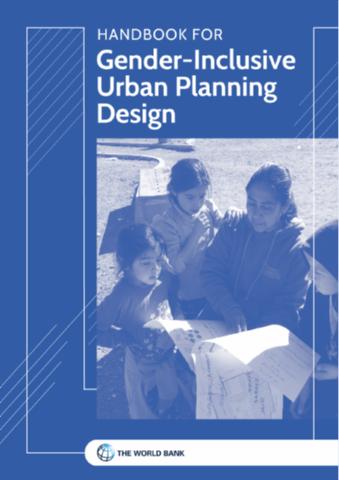
Urban planning and design quite literally shape the environment around us — and that environment, in turn, shapes how we live, work, play, move, and rest. This handbook aims to illuminate the relationships between gender inequality, the built environment, and urban planning and design; and to lay out a menu of simple, practicable processes and best practices for urban planning and design projects that build more inclusive cities – for men and women, for those with disabilities, and for those who are marginalized and excluded.

Theme
Keywords
Related content
View all
Inclusivity
Gender and Sustainable Cities
Climate change is set to exacerbate existing inequalities across regions and negatively impact already-vulnerable populations: the urban poor will be hit the hardest by the unevenly balanced climate
Inclusivity
Learning from Vietnam’s urban upgrading projects
When economic and political reforms were introduced in Vietnam to transition from a centralized economy to a socialist-oriented market economy in 1986, urbanization started to accelerate. The central
Inclusivity
Health, Safety and Dignity of Sanitation Workers : An Initial Assessment
The global sanitation workforce bridges the gap between sanitation infrastructure and the provision of sanitation services. Sanitation workers provide an essential public service but often at the cost