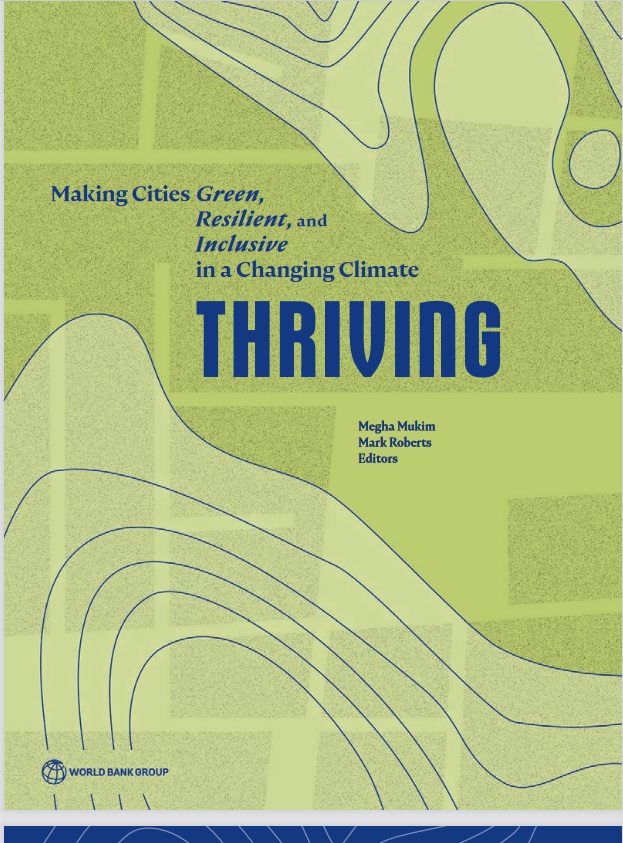


Globally, 70 percent of greenhouse gas emissions emanate from cities. At the same time, cities are being hit increasingly by climate change related shocks and stresses, ranging from more frequent extreme weather events to inflows of climate migrants. This report analyzes how these shocks and stresses are interacting with other urban stresses to determine the greenness, resilience, and inclusiveness of urban and national development. It provides policymakers with a compass for designing tailored policies that can help cities and countries take effective action to mitigate and adapt to climate change.

Related content
View all
Inclusivity
Addressing Gender Gaps in Housing Interventions
With more than half of the world’s population already living in cities, continued urbanization presents great opportunities as well as significant challenges. How cities respond to this growth will
Inclusivity
COVID-19 and Slums
Slum inhabitants are the most vulnerable groups in the short and long-term: The risk exposure to the virus is likely to be exacerbated in slums, where people live in overcrowded conditions, and tend
Inclusivity
Methodology Note - Participatory Violence Mapping in Informal Urban Settlements
Kenya is experiencing rapid urbanization. In 2016, about 14 million people (25 percent of the country’s population) were living in urban areas, but by 2030 that number is expected to increase to over