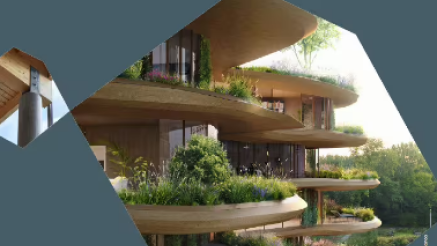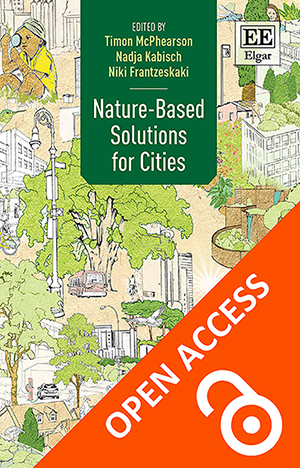
We are living in the urban century, one where urbanization is driving multiple global environmental changes that in turn place stress and cause major disturbances to urban life and ecosystems. Cities across the world can be vastly different, but they also have in common the concentration of people, infrastructure, and economies that create and amplify risks from climate change, pandemics, and economic crises. We are in a critical moment to consider how we can build new cities and retrofit our existing cities, regions, and neighborhoods to be places that are desirable and thus meet the normative goals we share for our own futures, and those of coming generations. At the same time, climate change, biodiversity loss, pollution, and other human-driven environmental crises are still on a pathway that drives dystopian futures that dominate popular discourses of our shared futures. A turning point from climate-vulnerable to climate-resilient urban infrastructure planning is already happening with many cities striving for ways to reconnect with nature, to ecologically upgrade urban common spaces, and respond to climate change pressures in an inclusive and resilient way.