

Tourism
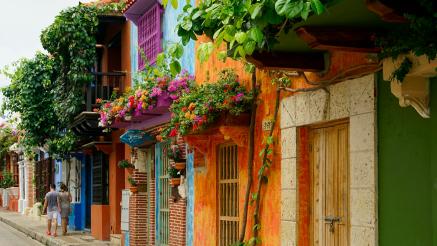
Tourism is a key driver of urban economies and a strategic lever for advancing nature-positive, low-carbon, and circular urban development. It influences how cities manage natural assets, infrastructure, and resource flows, creating opportunities to align visitor economies with sustainability goals. When embedded in integrated urban planning, sustainable tourism can support the conservation of biodiversity, promote low-carbon mobility and infrastructure, and encourage circular practices in sectors such as hospitality, food systems, and waste management. By prioritizing responsible and regenerative tourism models, cities can attract investment, strengthen local livelihoods, and enhance resilience, ensuring that tourism contributes to long-term environmental sustainability, economic diversification, and inclusive urban development.
Explore more resources in the GPSC Knowledge Products, featuring case studies, toolkits, and technical guidance from cities around the world. Use the filters and categories to navigate by theme or topic and find content tailored to your city’s priorities.