

Circular
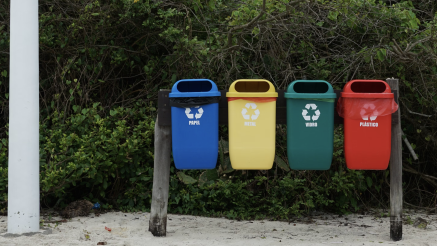
Circular cities reduce waste and regenerate resources by rethinking production, consumption, and material flows. Through circular design, green construction, and sustainable urban systems, cities close resource loops, create green jobs, and lower environmental footprints.
Circularity redefines how cities use resources—shifting from a linear “take, make, waste” model to one that values regeneration and reuse. Circular cities minimize waste through smarter design, sustainable materials, and closed-loop systems for water, energy, and food. This approach reduces environmental impact, lowers costs, and stimulates local innovation and green entrepreneurship. Embedding circular principles into urban planning ensures that growth remains within planetary boundaries.
Explore more resources in the GPSC Knowledge Resources, featuring case studies, toolkits, and technical guidance from cities around the world. Use the filters and categories to navigate by theme or topic and find content tailored to your city’s priorities.