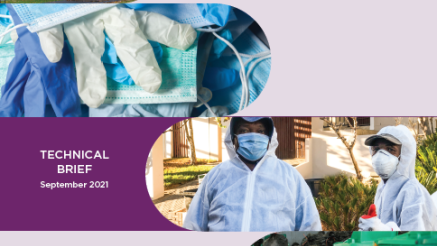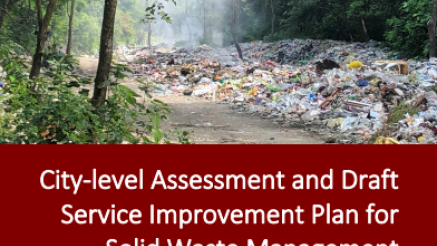


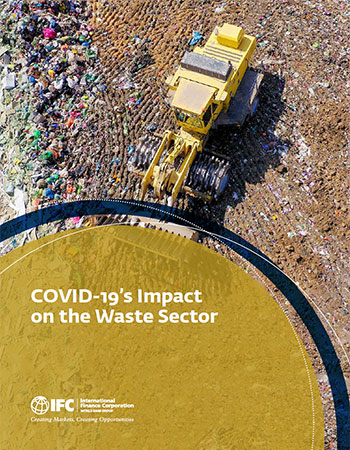
Maintaining the delivery of basic urban service—including waste collection and management—is becoming a growing challenge to cities grappling with the fallout from COVID-19. Every year the world generates over 2 billion metric tons of municipal solid waste. The World Bank estimates that by 2050 annual waste generation will increase by 70 percent—to 3.4 billion metric tons. In low-income countries, the volume of waste is expected to triple by 2050, particularly in sub-Saharan Africa.
Related content
View all
Circular
Market Study for the Philippines: Plastics Circularity Opportunities and Barriers
Mismanaged plastic waste has growing economic and environmental consequences. USD 80-120 billion worth of plastic packaging is lost from the global economy each year due to lack of recycling and
Circular
Waste Resources Management and Utilization Policies of Korea (English and Korean)
The study of Korea’s economic and social transformation offers a unique window of opportunity to better understand the factors that drive development. Within approximately a single generation, Korea
Circular
EPR for Waste Management in Korea: From the Deposit Refund System to EPR
This study examines the expansion of the role of the producers of recyclable goods in the arena of Korean waste management between 1992 and 2010. In the late 1980s, increasing waste generation became