



The Climate Action Agenda: Why a people-centered approach to mobility matters
Women’s greener travel patterns highlight the need for gender‑responsive transport policies to support decarbonization and protect public transit.News & Blogs

Creating Virtuous Circles Between Urban Planning and Urban Transit
Urban transport connectivity shapes economic opportunity, and fragmented urban form in limits job access, requiring better transit, density, and evidence.News & Blogs
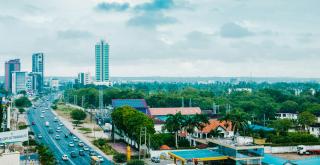
Bus Rapid Transit (BRT) in Tanzania [video]
Dar es Salaam’s BRT delivers fast, affordable transit, reduces emissions, and will expand to support sustainable mobility across the city.News & Blogs
Initiatives
Planning for Transit-Oriented Development in Emerging Cities
The book guides emerging cities in integrating land use and transport planning to create dense, walkable, transit‑oriented communities.Knowledge Product
Toward Developing a Mobility and Gender Index
Limited sex‑disaggregated data hinders gender‑inclusive mobility; the World Bank’s Mobility and Gender Index develops a framework to resolve this.Knowledge Product

Best Practices and Lessons Learned: Tactical Urbanism to Design Cities for People
Asunción’s car‑centric design strains mobility; tactical urbanism can improve safety, support pedestrians, and encourage more sustainable transport choices.Knowledge Product
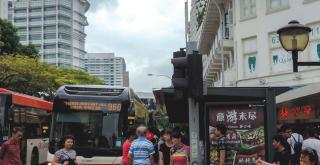
Transit-Oriented Development Implementation Resources and Tools - 2nd Edition
The TOD toolkit guides stakeholders through assessing, enabling, planning, financing, and implementing transit‑oriented development.Knowledge Product
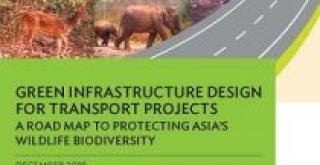
Knowledge Product

Focused Acceleration: A Strategic Approach to Climate Action in Cities to 2030
The report identifies twelve major opportunities across power, buildings, mobility and waste to accelerate city‑level carbon reductions.Knowledge Product
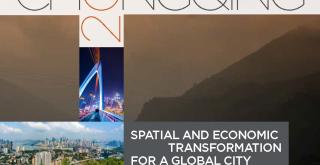
Chongqing 2035: Spatial and Economic Transformation for a Global City
The Chongqing 2035 Report outlines economic, regional, innovation, and green growth strategies, supported by GPSC modeling future urban expansion scenarios.Knowledge Product
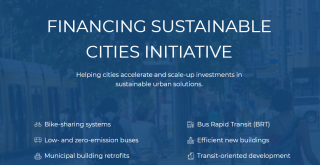
[VIDEO] Cities are Taking on Electric Buses: How the FSCI Helps Accelerate the Transition
Cities are shifting from diesel to electric buses, supported by the Financing Sustainable Cities Initiative’s work on innovative business models.Knowledge Product
Sustainable and Safe: A Vision and Guidance for Zero Road Deaths
The report explains the Safe System approach, shifting responsibility to road designers and showing its proven life‑saving impact.Knowledge Product
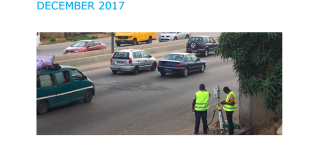
Transport Emission Mapping, Monitoring and Capacity Building in 5 Selected African Cities
A pilot in five African cities built capacity to monitor emissions, producing tools and recommendations to scale low‑emission urban transport.Knowledge Product
Formulating an Urban Transport Policy: Choosing Between Options
The guideline outlines policy options to help governments plan coordinated urban transport that improves mobility, safety, and sustainability.Knowledge Product
Knowledge Product
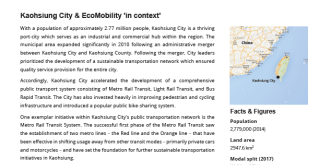
Creating a world class culture of ecomobility: the case of Kaohsiung City
Kaohsiung shows how coordinated policies can shift cities toward ecomobility, building people‑centered transport networks.Knowledge Product
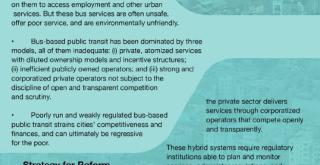
GPSC Compendium: Strategy and Innovation for Bus Reforms in Developing Countries
Bus systems in developing countries need hybrid reforms where public oversight and private operators improve safety, service, and sustainability.Knowledge Product
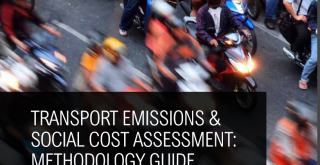
Transport Emissions & Social Cost Assessment: Methodology Guide
The project provides a methodology and tool to estimate transport emissions and social costs, supporting more efficient policymaking.Knowledge Product

Green Infrastructure Solutions in Dar es Salaam: Planning Smarter and Greener [video]
Dar es Salaam demonstrates how nature‑based planning can reduce flooding and heat, boosting resilience and inspiring greener urban development.News & Blogs