


Transit-Oriented Development (TOD) is an integrated approach to urban planning that aligns transport, land use, and urban design to create compact, connected, and livable cities. By concentrating development within walking distance of high-quality public transport, TOD promotes efficient mobility, vibrant public spaces, and mixed-use communities.
At its core, TOD brings together planning, infrastructure, and financing tools to help cities balance density, accessibility, and livability—supporting more inclusive, resilient, and resource-efficient urban development.
Many rapidly growing cities face increasing congestion, emissions, and pressure on infrastructure. Without strong public transport systems, urban expansion often leads to inefficient sprawl and declining living conditions.
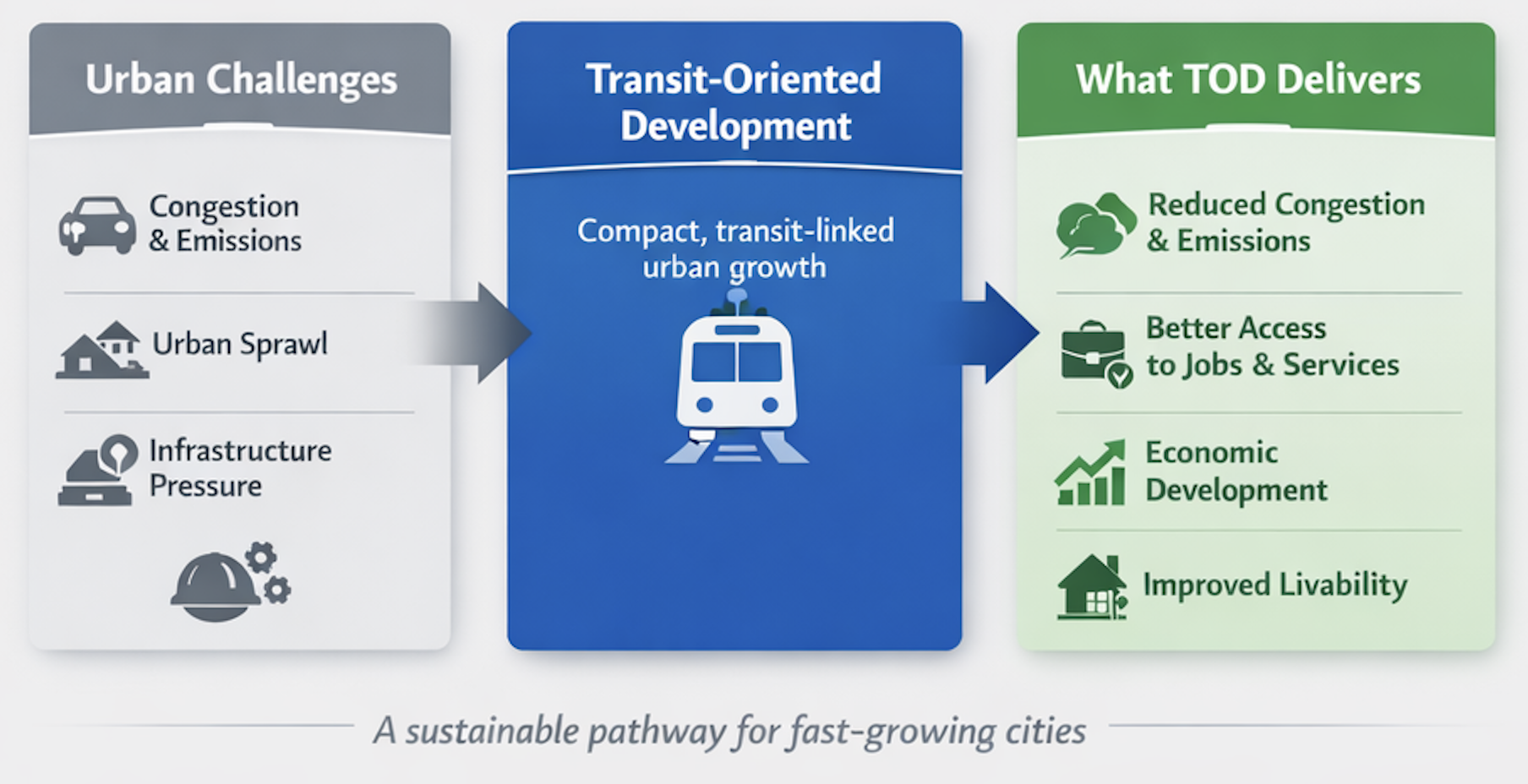
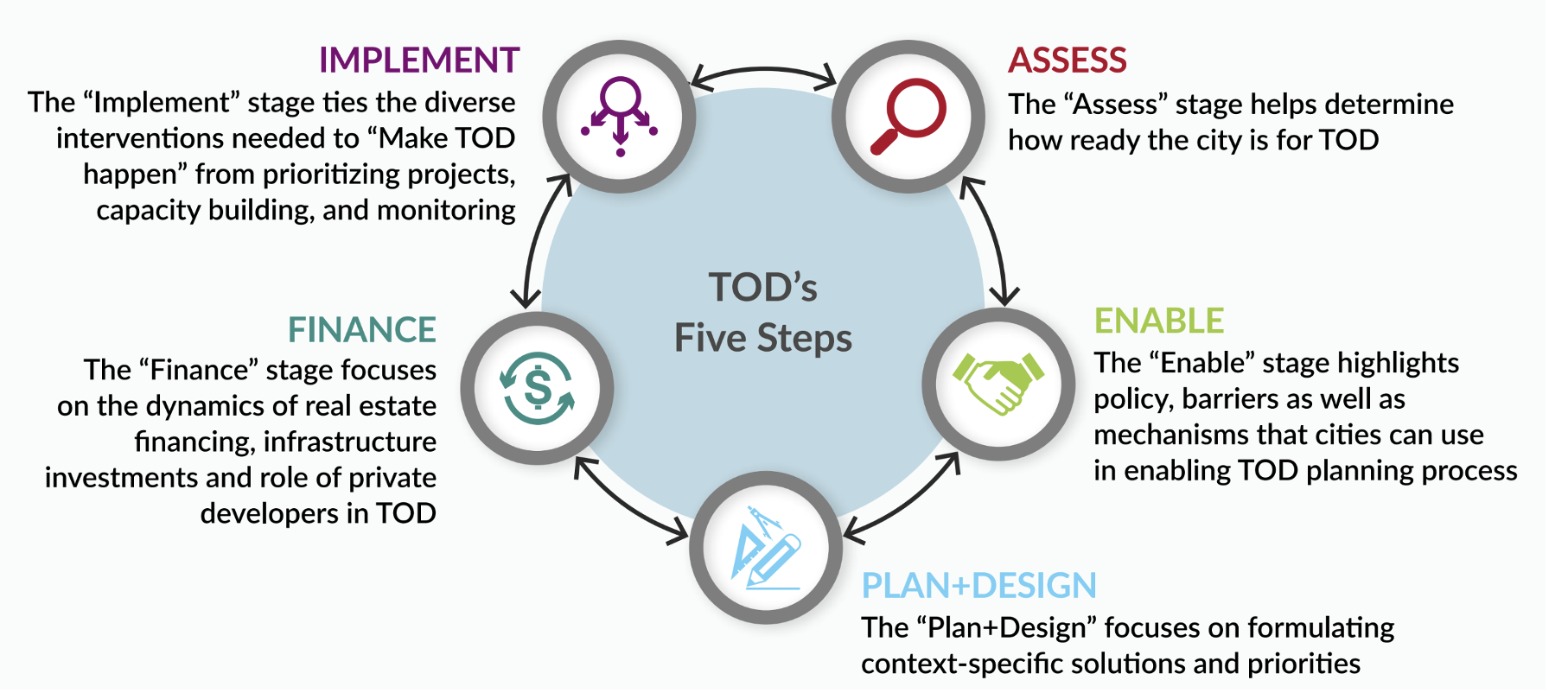
While TOD is widely recognized, implementation remains challenging. Cities often face barriers such as fragmented governance, sector silos, limited financing, and misaligned planning frameworks.
In many cases, TOD has been applied narrowly—focusing only on densification—without fully integrating public space, accessibility, or land use diversity. Effective TOD requires a more context-sensitive and system-wide approach, taking into account local conditions such as transit capacity, urban form, and infrastructure constraints.
Overcoming these challenges means strengthening coordination, aligning policies, and embedding TOD into both planning and investment cycles.
Indonesia Road Connectivity Improvement Program (2026)Supports improved connectivity and accessibility across regions, contributing to more integrated transport systems. |
Kenya Urban Mobility Improvement Project (2026)Focuses on enhancing urban transport infrastructure and services to improve mobility and access. |
Togo Urban Transformation Program (2026)Promotes integrated urban development, including mobility and infrastructure improvements. |
Rajasthan Highway Modernization Project (RHMP) (2026)Aims to upgrade transport corridors while improving safety and resilience. |
Low Carbon City Program (2025)Supports the reduction of GHG emissions and the scaling up of low-carbon urban development through integrated urban interventions. |
Low Carbon Transition of Urban Mobility in Yichang (Hubei) (2024)Supports low-carbon urban mobility solutions aligned with sustainable development goals. |
Additional resources on Transit-Oriented Development are available through the GPSC Knowledge Products, which brings together World Bank, and GPSC knowledge products in one place. Users can explore guidance notes, toolkits, policy briefs, and case studies, and can easily identify relevant materials by applying the filters. Explore this self-paced course on Transit-Oriented Development at the corridor scale, designed to provide a practical introduction to integrated land use and transport planning.
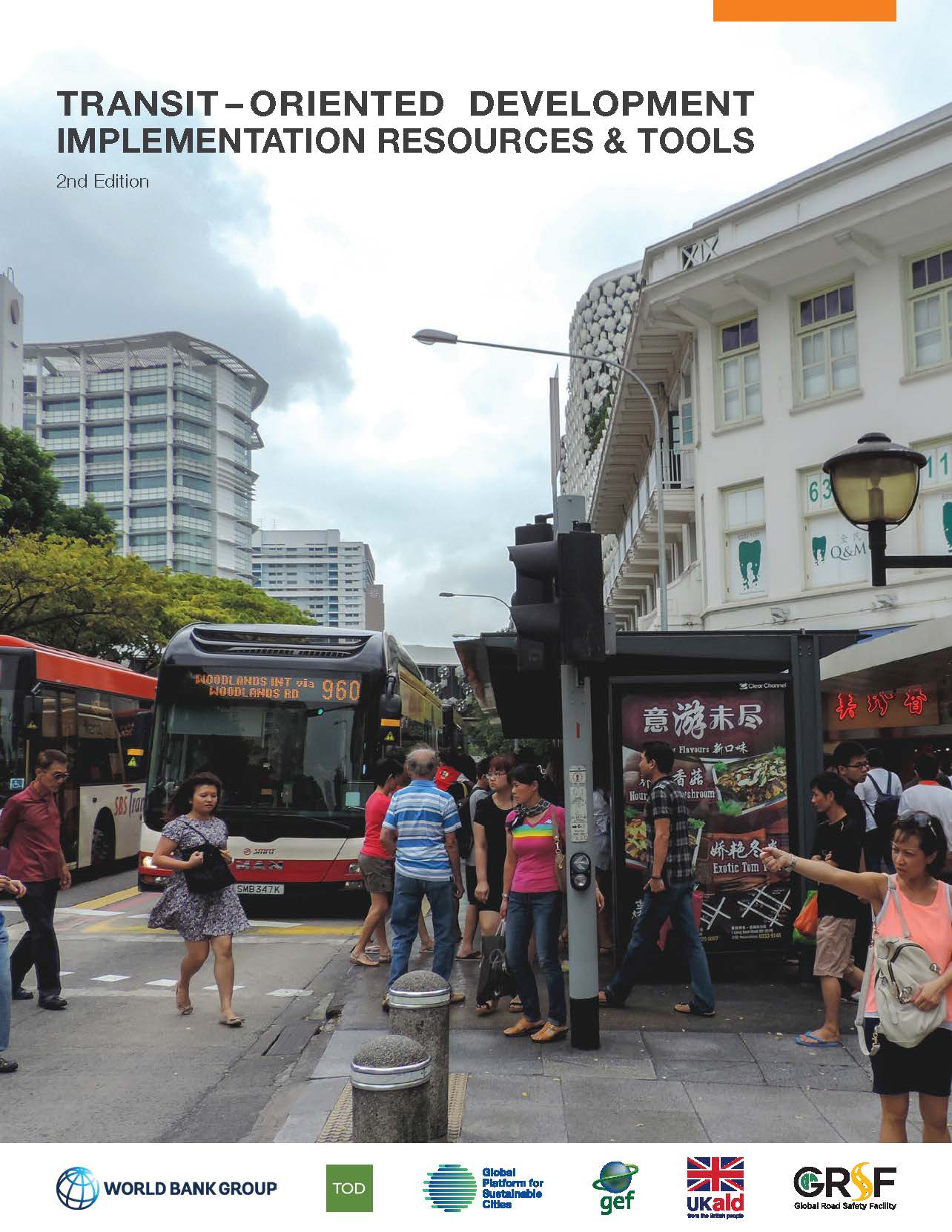
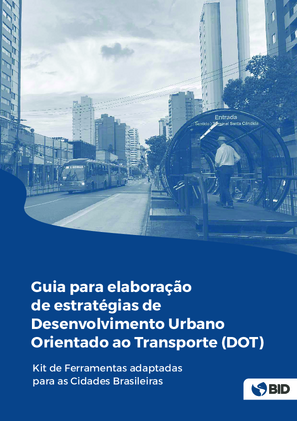
The TOD Toolkit is available in multiple languages, including English (2nd edition), Chinese (1st edition), and Portuguese (adapted by IDB).
Featured Resources
 |  |  |  |  |
Other Resources
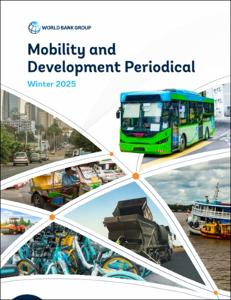 | Mobility and Development Periodical, Winter 2025 (2025)This edition of the Mobility and Development periodical explores the evolving relationship between transport systems and development outcomes, with a focus on sustainability, accessibility, and economic opportunity. |
Guide for Road Safety Assessments for Urban Railway Crossings and Stations (2026)This guide offers practical methodologies to assess and improve safety conditions around urban rail systems, with a focus on crossings and station environments that are critical to successful TOD integration. | |
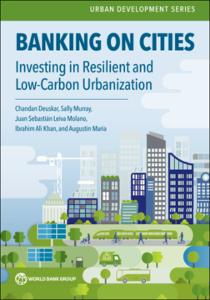 | Banking on Cities: Investing in Resilient and Low-Carbon Urbanization (2025)This flagship report examines how cities can mobilize investment toward resilient and low-carbon development pathways, including the role of integrated land use and transport planning. |
Electric Vehicle and Labor Market Transformation (2025)This publication analyzes how the transition to electric mobility is reshaping labor markets, highlighting opportunities and challenges relevant for urban transport systems. | |
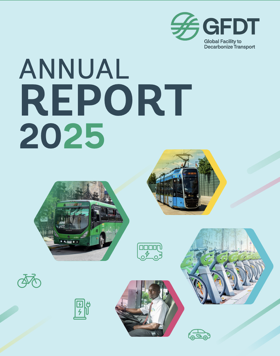 | Global Facility to Decarbonize Transport Annual Report (2025)The annual report presents key achievements and priorities of the GFDT, showcasing initiatives that support the decarbonization of transport systems globally. |
 | Unleashing Rail Station Potential through Station Redevelopment (2024)This report provides guidance for railway authorities and policy makers on planning and implementing railway station redevelopment projects, including the use of public-private partnerships to improve rail services and enhance surrounding urban areas. |
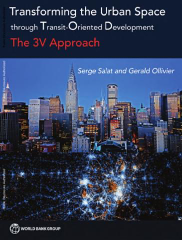 | Transforming the Urban Space through Transit-Oriented Development: The 3V Approach (2017)A practical methodology to support TOD implementation by aligning economic development, land use, and mass transit planning to create more connected, competitive, and sustainable cities. |
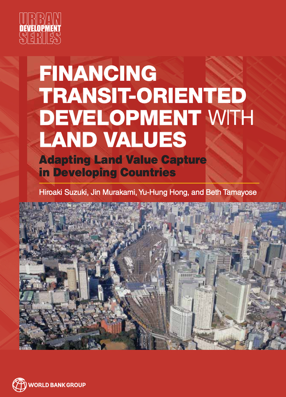 | Financing transit-oriented development with land values: adapting land value capture in developing countries (2015)Explore how land value capture mechanisms can help cities finance mass transit systems while promoting compact, mixed-use, and sustainable urban development, drawing lessons from global case studies and their application in developing countries. |
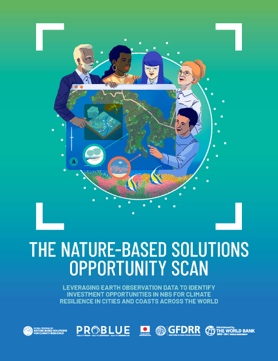 | Nature-Based Solutions Opportunity ScanThis tool identifies opportunities to integrate nature-based solutions into infrastructure projects, offering practical entry points that can complement TOD strategies. |
 | Strengthening Transit-Oriented Development for Urban Transformation in Indian Cities (ADB, 2025)ADB technical assistance supporting TOD implementation in India through policy reform, institutional strengthening, and pilot projects. Includes international case studies and lessons on financing and governance. |
 | Asian Transport Outlook (ADB)A regional platform providing transport data, urban mobility indicators, policy databases, and analytical resources for Asia and the Pacific. Particularly useful for benchmarking urban transport and transit systems. |
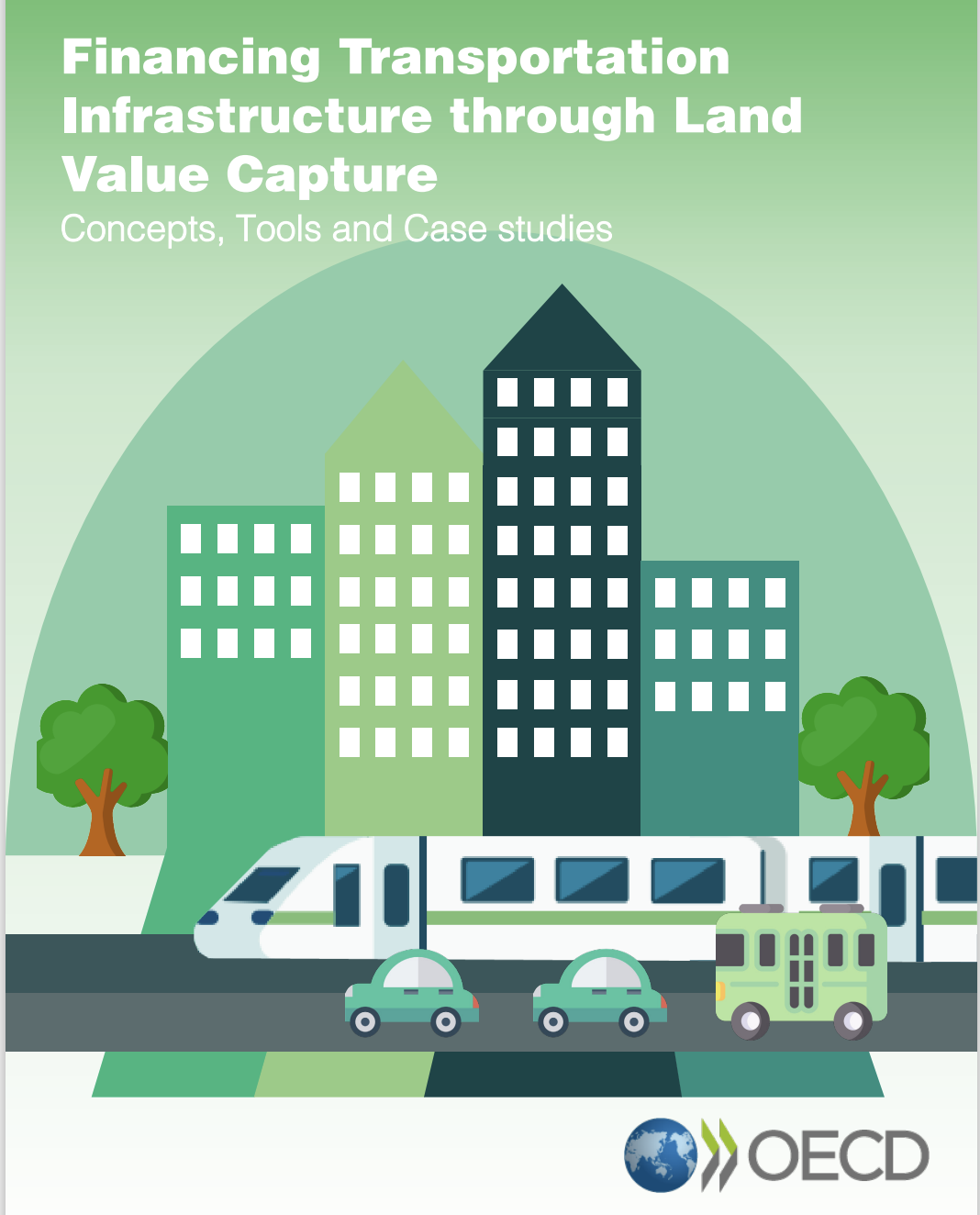 | Financing Transportation Infrastructure through Land Value Capture (OECD, 2022)Explores land value capture tools and case studies that can help cities finance transport infrastructure while promoting sustainable urban development. |
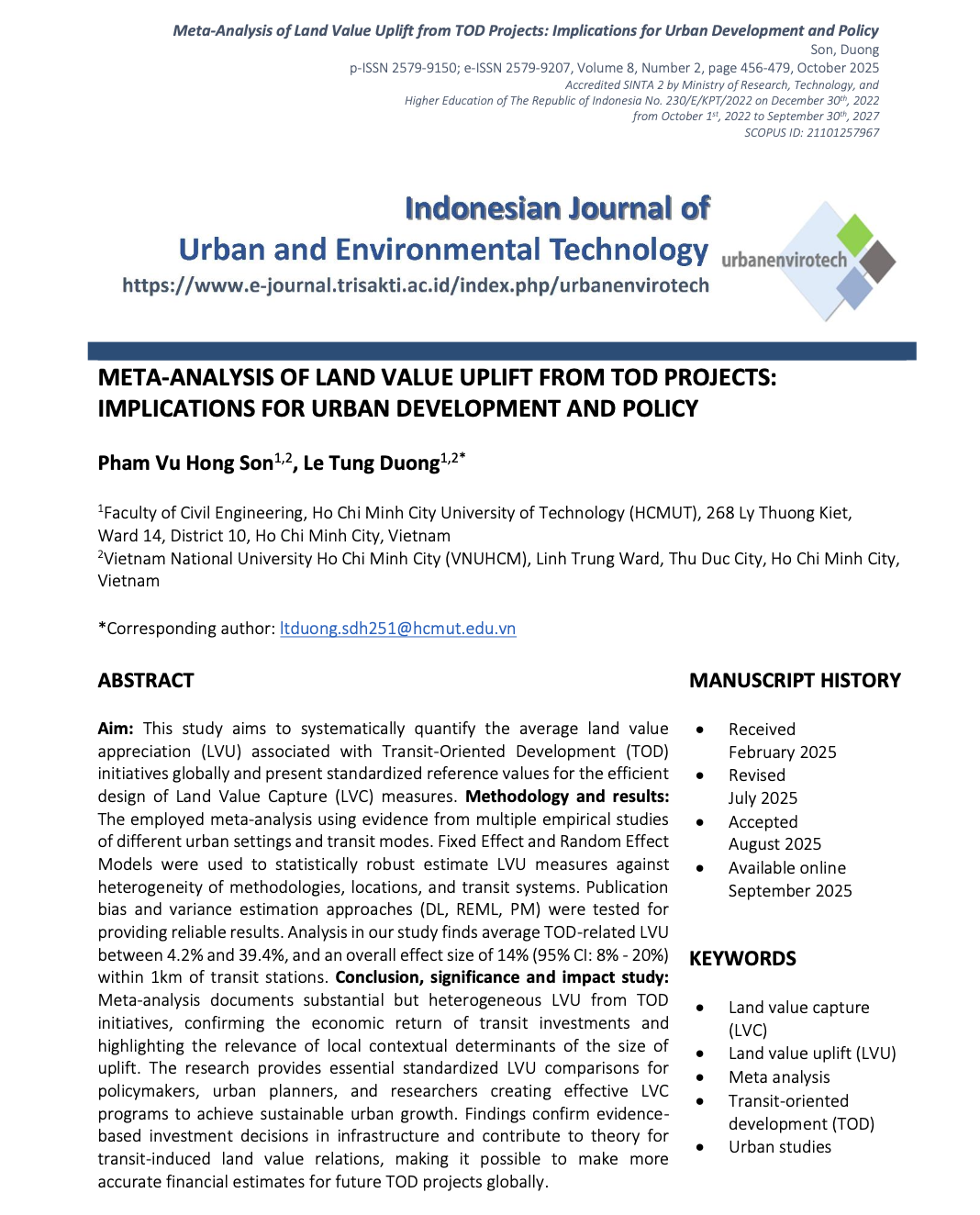 | Meta-Analysis of Land Value Uplift from TOD Projects (2025)Provides evidence on how TOD affects land values globally and offers insights for designing land value capture strategies and financing mechanisms. |