

Transit-Oriented Development

External link

Transit-Oriented Development


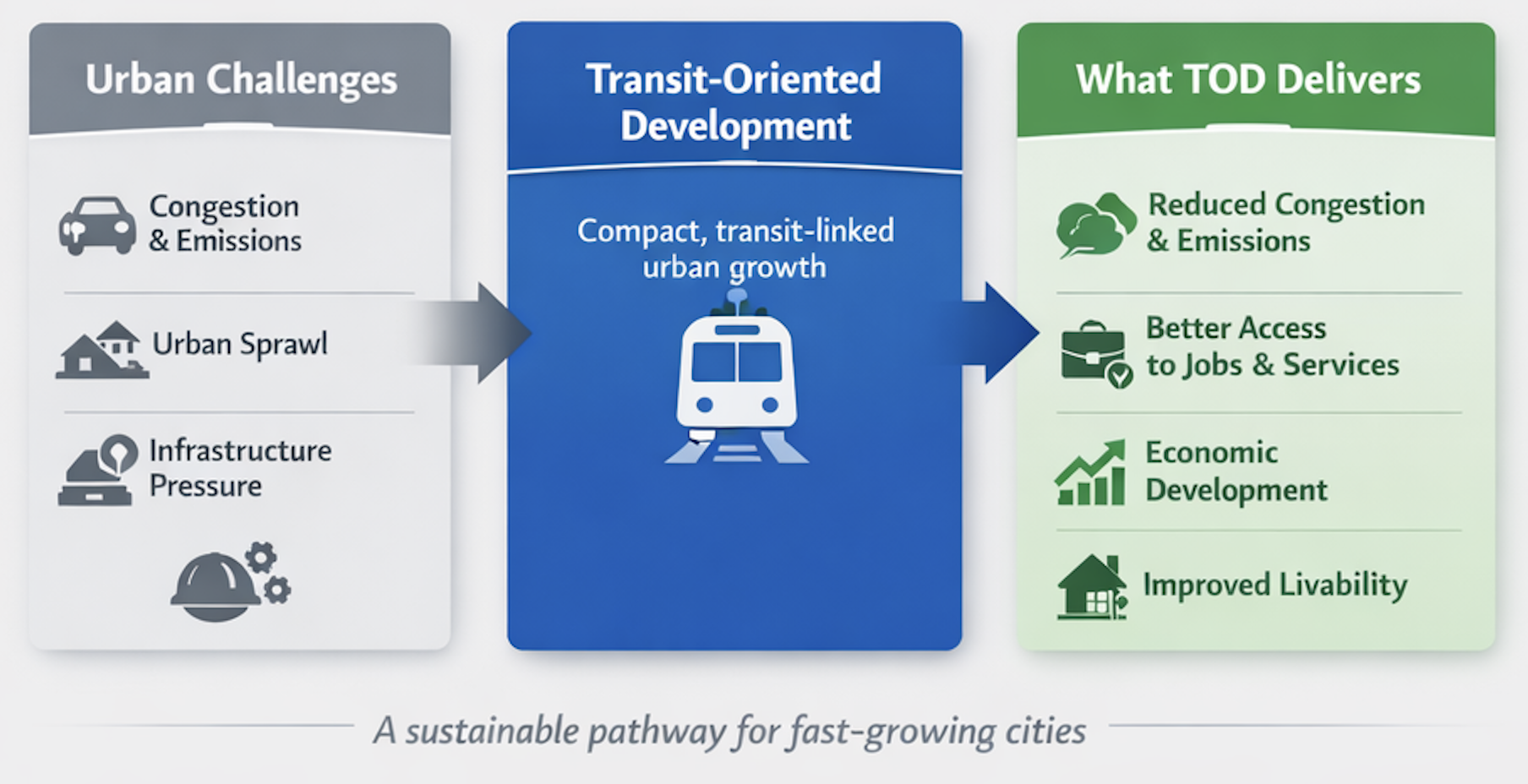
Public transportation is often a city’s best strategy to curb congestion and reduce greenhouse gas emissions. But rapidly expanding populations and insufficient financing resources pose significant challenges. Transit-Oriented Development, or TOD, offers innovative strategies that are both financially viable and environmentally friendly, deliver high-quality services, and create vibrant and livable.

What is TOD?


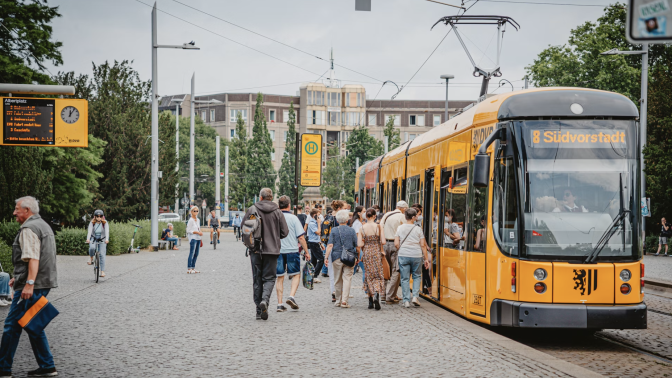
Transit-oriented development, commonly known as TOD, combines planning and financing strategies that promote mobility and walkability as primary modes of transport, and that supports vibrant, diverse, and livable communities.


TOD concentrates urban density within 5–10 minutes walk of mass rapid transit stations (both bus and rail), develops high-quality urban public space, and provides convenient and efficient access to a diverse mix of land uses. To achieve sustainable development, TOD brings together elements of urban design, land use planning, transport planning, urban regeneration, real estate development, land value capture, and infrastructure implementation. This powerful combination of tool enables city actors to negotiate the trade-offs of varying urban priorities to ultimately prioritize inclusion and resilience within an optimized environment. The World Bank considers these priorities as the bedrock of successful TOD. To achieve the concept’s full potential, it is essential that cities understand the complex dynamics between various urban systems.


Read the TOD Glossary of Terms below to understand the key terms used throughout the TOD knowledge product.


Why TOD?

Most rapidly growing cities in low- and middle-income countries are densely populated without formal public transit. Some of the densest cities globally, including Dhaka, Manila, Mexico City, and Mumbai are characterized by an insufficient or overburdened transit infrastructure.


The resulting deterioration in living conditions in urban cores is causing many cities to opt for suburbanization as the dominant development pathway, an approach that is less sustainable and more inefficient than leveraging TOD to support compact urban development. TOD offers low- and middle-income countries an urban growth opportunity supported by high-quality transit systems. Overall this development pathway aligns well-planned density with transit infrastructure.


Read the knowledge product’s TOD Case Studies to find out how cities around the world are leveraging TOD.


TOD Myths & Misconceptions

Because most well-known examples of TOD come from high-income countries, TOD is often considered not relevant to developing countries. This is a misconception. TOD is applicable in developing countries, but must be adapted to local contexts. Existing global TOD guidance has helped in conceptualizing and reinterpreting the concept for local application, but thus far successful implementation in developing countries has been limited. Borrowing from their high-income-country counterparts, cities such as cities such as Ahmedabad and Curitiba have applied TOD primarily as tools for densification by both public and private sectors, measured in terms of increased floor area ratios (FARs) or floor space index (FSI). Other cities, such as Guangzhou and Bogota, have been successful in linking transit improvements with pedestrian and cycling networks, but have not been able to influence development patterns.


The effective practice of TOD relies on the application of context-sensitive design standards, including building densities based on the characteristics of the areas surrounding transit stations, such as transit capacity, plot sizes, street widths, and infrastructure capacities. These and other factors that are part of successful TOD—such as innovative real estate negotiations, affordable housing near transit stations, or improved public realm design—are often ignored and compromised.


Overcoming TOD Challenges

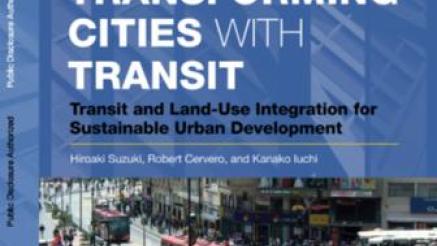
Some of the key barriers to TOD in low- and middle-income countries were summarized in the World Bank Group publication Transforming Cities with Transit: Transit and Land Use Integration for Sustainable Urban Development (Suzuki, Cervero, and Iuchi 2013). They include the following:


  1. Lack of regional coordination at the metropolitan level;
  2. Sector silo behavior and practices at the city level;
  3. Inadequate policies and regulations for strategically creating “articulated densities” (densities that are strategically distributed);
  4. Restrictive national regulations and administrative constraints;
  5. Inconsistencies in the planning instruments and deficiencies in their implementation;
  6. Inadequate policies, regulations, and supporting mechanisms for redeveloping built-up areas, particularly brownfields or distressed and blighted districts;
  7. Neglected urban design at the neighborhood and street level; and
  8. Financial constraints.

Providing tools and resources to overcome these challenges for developing countries is the focus of this TOD Knowledge Product.


TOD Themes: Good Governance, Inclusiveness and Safety

Integral to the success of TOD is ensuring that it is well governed and inclusive for all. These two TOD themes can be defined as follows:


Effective TOD governance: Successful TOD relies heavily on the political capital of the city’s or jurisdiction’s leadership. A well-informed and committed leader can promote the concept of TOD to improve the everyday lives and experiences of citizens, while also building resilience. This is true irrespective of the type of leadership structure within a city. For a TOD planner, the very first step in building an enabling environment is to convince the leadership of the benefits TOD can bring to the citizenry, the environment, and public sector finances.


Cities that decide to commit to large TOD projects should create an official organization (task force, committee, or agency) that has deep ties to the TOD plan from its inception. This organization must be accountable to the public, operate transparently, and have a clearly articulated mission. The organization will promote the development of planning research, design master plans and regulations, oversee implementation and continued adaption of systems, and coordinate with planning guidelines and professionals from different levels of government and the private sector. It is crucial that this agency exists outside of the political sphere to ensure the long-term ownership, management, and security of its singular vision. To further ensure legitimacy, the organization should receive its budget from a percentage of the revenue garnered from the TOD. This arrangement motivates continued dedication to creating and maintaining the effectiveness of the system. A funding mechanism for management built into the TOD revenue streams will also ensure that this organization is exempt from political budgetary issues and protect the government from further economic stress. To learn more about TOD governance, explore EN-H01 of the Knowledge Products.


Inclusiveness in TOD: TOD stands to benefit everyone in a community, whether they regularly use public transit or not. Consequently, inclusivity is the key to successful TOD. A truly inclusive TOD process requires transparent collaboration with and consideration for the various stakeholders involved, including different genders, ages, abilities, and socioeconomic segments. In the TOD planning process, inclusivity depends on offering multiple opportunities for public engagement, in a variety of mediums, and on making project information readily available to all. Once operational, transit-oriented development should be accessible and enjoyable for all capabilities, ages, cultural groups, etc. To learn more about stakeholder engagement and TOD inclusivity, explore the TOD Knowledge Products  PD-R02 and the Enable section.


Safe TOD: A well-executed TOD scheme has the potential of savings lives from road crashes both at city and neighborhood level. At the citywide level, TOD influences urban form and mode-choice, two very critical factors for road safety. The mixed-use land use developments, with active frontage and accessible services centered within safe walking and cycling distances around transit stations, encourage users to choose for transit combined with non-motorized commute over use of cars. This pattern of considerable mode shift minimizes exposure, i.e. the number of cars on the street, and thereby reducing the chances of conflicts. At the neighborhood level, TOD promotes more pedestrian-friendly streets with lower traffic speeds, which significantly improves the safety of the most vulnerable road-user group. To achieve safe networks within a TOD area, the “Sustainable Safety” principles of functionality, homogeneity and predictability are crucial for planning and designing of roads, so that they align with the TOD principles and can be integrated with the local context. To learn more about Safe TOD, explore AS-H-04 (How to Undertake Road Safety Assessment for TOD Areas) and PD-H-07 (How To Plan Safe Acc


Key Principles and Supportive Principles of TOD

Transit-oriented development can be both supported and encouraged in your city by following and applying TOD planning principles. The following are a series of design- and transit-supportive principles to ensure your city can successfully implement TOD:


  1. In addition to these TOD design principles, which focus on the three main realms that are impacted by TOD (transportation, open spaces, and the built environment), the TOD Knowledge Products provide guidance on the following supportive TOD principles: (1) climate resilience;
  2. universal accessibility;
  3. technology integration;
  4. inclusiveness;
  5. sustainable infrastructure;
  6. land value capture; and
  7. bicycle friendly.
  8.  

For more information on TOD supportive and design principles, see tool PD-R02 in the Plan+Design section of the Knowledge Products.

Partners

Theme

Keywords

Countries

Cities

Related content

Projects and Programs Manual to Encourage Cycling in Communities

Cycling is already an important part of daily life many of Brazil’s urban residents. To grow the country’s cycling culture as well as provide better conditions for users, EMBARQ Brazil developed this

Knowledge Product

Transforming the urban space through transit-oriented development : the 3V approach Mobility

Imagine a city that is more competitive, with higher-quality neighborhoods, lower infrastructure costs, and lower C02 emissions per unit of activity. This city has lower combined transportation and

Knowledge Product

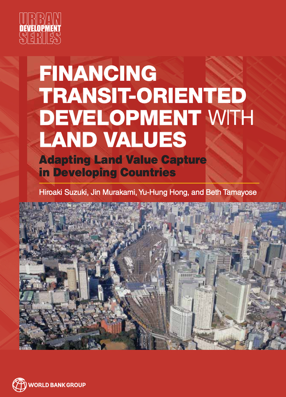
Financing Transit-Oriented Development with Land Values: Adapting Land Value Capture in Developing Countries Finance

Cities in developing countries are experiencing unprecedented urban growth. Unfortunately, this is often accompanied by the negative impacts of sprawl as a result of rapid motorization such as

Knowledge Product

TOD Guide for Communities Mobility

This TOD Guide for Urban Communities shares the best practice guidelines in transit oriented development around the world. This publication summarizes 28 concrete design recommendations for transit

Knowledge Product

TOD City Academy Mobility
The event was a two-day interactive workshop, organized within the framework of GPSC’s 3rd Global Meeting, that brought together government officials from 12 Latin American and Caribbean cities and 4
Knowledge Product

Rail Plus Property Development in China: the Pilot Case of Shenzhen Mobility

China’s cities face significant challenges in financing the growth of urban transit infrastructure. The current practice of financing urban metro or subway projects through municipal fiscal revenues

Knowledge Product

[VIDEO] Cities are Taking on Electric Buses: How the FSCI Helps Accelerate the Transition Mobility

Each day, a quarter million people around the world rely on diesel-fueled buses to reach their destinations. For decades, these buses have been the backbone of public transit fleets in cities. But

Knowledge Product

A model for Transit Oriented Development: Curitiba, Brazil Mobility

In the mid-1960s, to keep pace with Curitiba’s surge in population, traffic congestion, and uncontrolled urban sprawl, the City shifted its urban planning strategy from a radial growth pattern to a

Knowledge Product

Planning for Transit-Oriented Development in Emerging Cities
Urbanization is accelerating at an unprecedented pace, making sustainable and efficient urban planning critical. Planning for Transit-Oriented Development in Emerging Cities offers a comprehensive
Knowledge Product

Transforming Cities with Transit: Transit and Land-Use Integration for Sustainable Urban Development Mobility

This study explores the complex process of transit and land-use integration in rapidly growing cities in developing countries. It first identifies barriers to and opportunities for effective

Knowledge Product

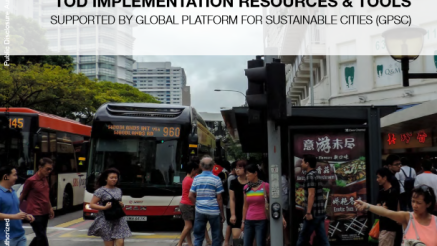
TOD Implementation Resources and Tools Mobility

Transit-oriented development, commonly known as TOD, is a planning and design strategy that focuses on creating urban development patterns which facilitate the use of public transit,walking and

Knowledge Product

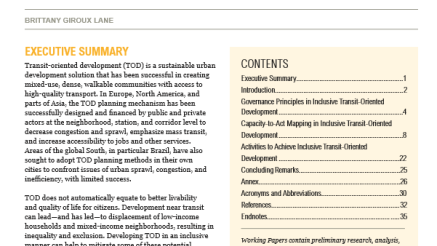
Governance of Inclusive Transit-Oriented Development in Brazil

Transit-oriented development (TOD)—a planning strategy focused on building compact, mixed-use neighborhoods with access to high-quality public transport and mobility options—is key to sustainable

Knowledge Product

Bus Rapid Transit in China: A Comparison of Design Features with International Systems Mobility

As the recent white paper on China’s transport for the 13th Five-Year Plan period (2016–2020) states, China must set higher standards for the transport development to “realize the Chinese Dream of the

Knowledge Product

Safe Access Manual: Safe Access to Mass Transit Stations in Indian Cities Mobility

The Safe Access Manual offers recommendations to develop safe access to mass transit stations in Indian cities. An investment of 15 billion USD has already been made across various cities to develop

Knowledge Product

Transit-Oriented Development Implementation Resources and Tools Mobility
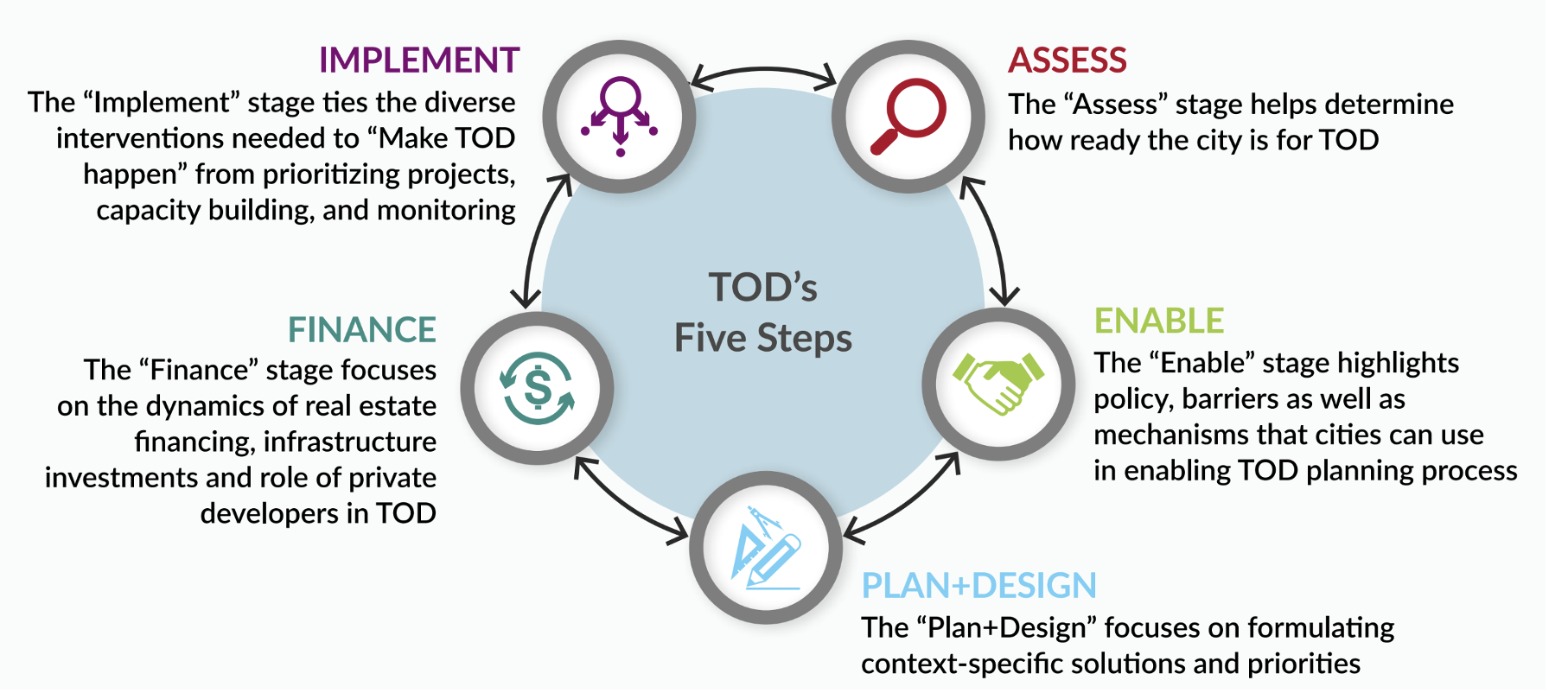
This toolkit provides a compendium of resources for Transit-Oriented Development stakeholders to navigate each phase of the TOD process: Assessing, Enabling, Planning and Design, Financing, and
Knowledge Product

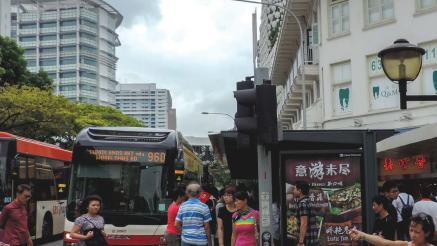
Creating a world class culture of ecomobility: the case of Kaohsiung City Mobility

This case study showcases that how cities through concerted efforts can make a shift toward an ecomobile culture within their jurisdiction.  Kaohsiung is committed to developing a world class culture

Knowledge Product