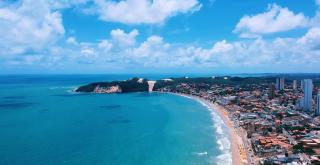
Indonesia

Photo by Dikaseva / Unsplash
Indonesia is a key participant in the GEF-7 UrbanShift program, advancing integrated urban planning and climate resilience across a diverse set of rapidly growing cities. As one of the world’s most biodiverse nations—spanning more than 17,000 islands and hosting globally significant forests, mangroves, and marine ecosystems—Indonesia faces mounting urban challenges, including land subsidence, flooding, waste management pressures, air pollution, and vulnerability to climate impacts.
Through UrbanShift, Indonesia, led by BAPPENAS with support from the World Bank and ICLEI, is strengthening capacities in Jakarta, Semarang, Palembang, Bitung, and Balikpapan to integrate nature-based solutions, circular economy practices, sustainable mobility, and energy-efficient systems into city planning. The program supports data-driven decision-making, ecosystem restoration, and innovative financing approaches to help Indonesian cities chart low-carbon, resilient development pathways. Indonesia’s engagement offers powerful lessons for the wider GEF and GPSC networks, particularly on the integration of environmental stewardship with equitable urban growth in complex archipelagic contexts.
Keywords