

Bosnia and Herzegovina
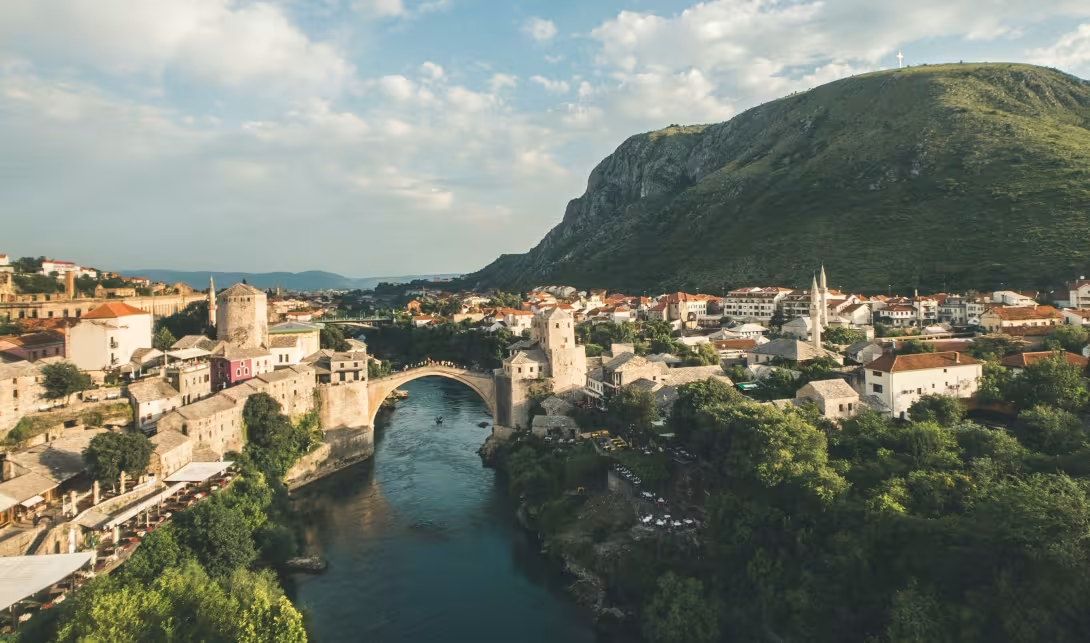
Bosnia and Herzegovina is advancing its transition toward greener and more resilient cities with support from the World Bank and other international partners. As cities across the country face challenges related to air pollution, inefficient land use, climate risks, and infrastructure gaps, national and local authorities are strengthening integrated urban planning as a key entry point for sustainable transformation. Efforts focus on improving spatial planning systems, aligning investments with environmental priorities, and promoting low-carbon, resource-efficient urban development. Drawing on regional experiences and knowledge exchange—particularly across the Western Balkans—Bosnia and Herzegovina is working to enhance institutional capacity, modernize planning tools, and embed climate resilience and environmental considerations into urban development processes. These efforts contribute to more livable, inclusive, and sustainable cities while aligning with broader European and global sustainability objectives.
Keywords