

Building Back Stronger: Urban Resilience Through Post-Conflict Reconstruction
14 MARCH 2022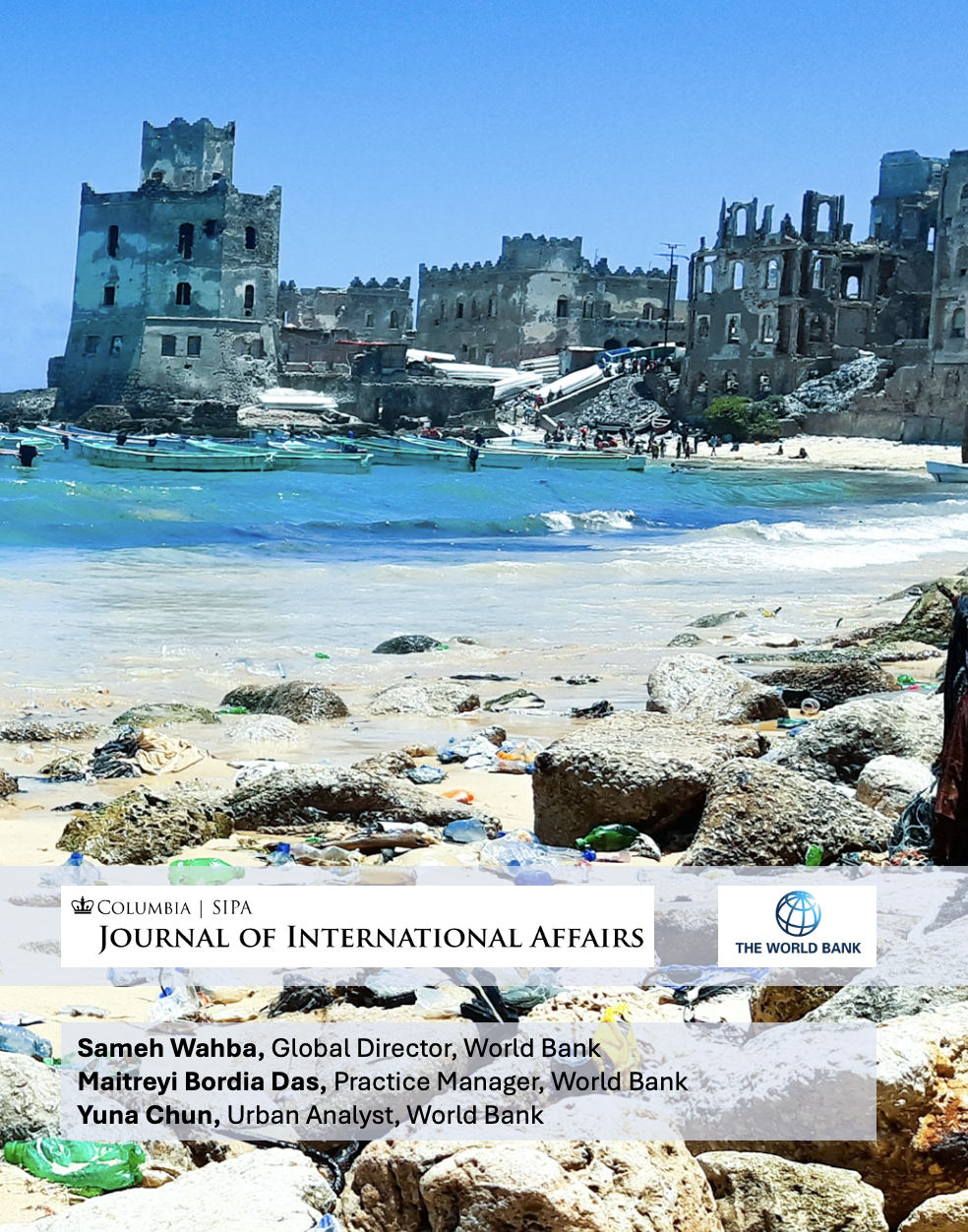
Rebuilding cities and towns after protracted conflict is a more common occurrence than many would find acceptable. It is also a policy challenge that can either exacerbate or help alleviate simmering tensions. Urban planning in the face of conflict, therefore, is an instrument by which economies and societies can be rebuilt. Urban spaces are often microcosms of social space; this can be seen, for example, in residential segregation by race or ethnicity derives, or spaces such as clubs that may be closed to some groups of people, or the symbolic manner in which some groups may feel alienated from a public space that is named after a contentious person or event.
This paper examines the cases of cities that have used urban planning to promote peace and build resilience. In particular, it looks at the examples of Medellín, Colombia; Mogadishu, Somalia; Timbuktu, Mali; and Sarajevo, Bosnia and Herzegovina. Each of these cities has powerful lessons for other contexts, even as none offers a perfect answer for post-conflict reconstruction. Through these case studies, this paper seeks to demonstrate the complexities and challenges of a non-linear reconstruction process and how a people- and place-based, integrated approach can improve the resilience of cities affected by conflict.
This article was published in volume 74, issue 1, "Urbanization in International Affairs," appearing in print in May 2022.