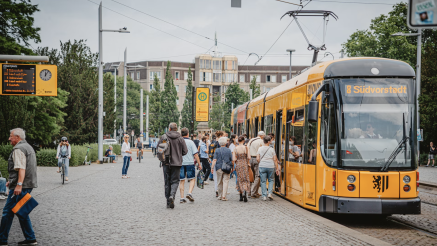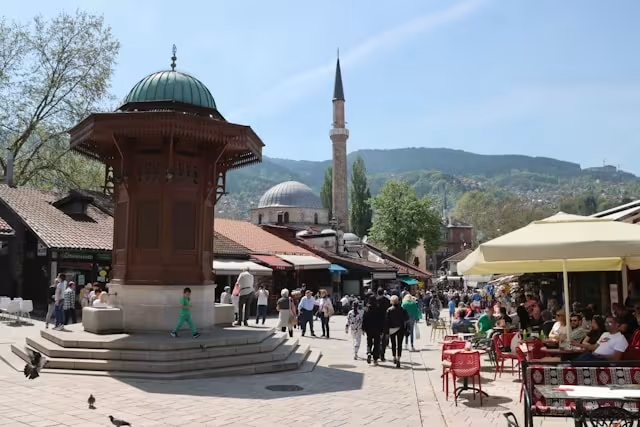
Sarajevo, the capital and largest city of Bosnia and Herzegovina is advancing ambitious efforts toward low-carbon and climate-resilient urban development. Surrounded by mountains and facing frequent air quality challenges, the city is investing in cleaner transport systems, energy-efficient buildings, and renewable heating solutions. Through initiatives supported by UNDP and the European Union, Sarajevo is integrating climate considerations into local planning and piloting nature-based measures to reduce pollution and manage flood risks. These actions, together with citizen-driven projects on waste reduction and sustainable mobility, position Sarajevo as a growing model for green urban transformation in Southeast Europe.