

Cape Town

AREA:
2,461 km2 (950 sq mi)
POPULATION:
5,063,580
South Africa

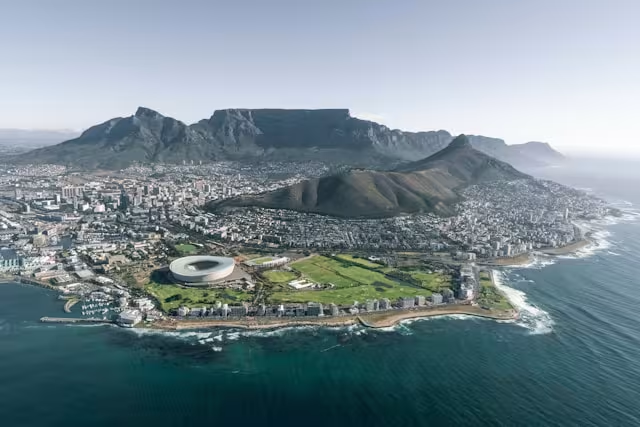
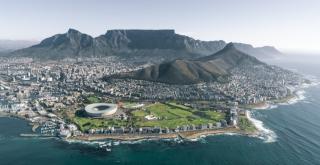
Cape Town serves as a lighthouse city under the GEF-8 Sustainable Cities Integrated Program (SCIP), sharing its experience in water resilience, climate adaptation, and circular resource management with cities across Africa and beyond. Building on lessons from its successful response to the 2018 water crisis, Cape Town demonstrates how integrated planning, nature-based solutions, and community engagement can enhance urban resilience in the face of climate stress. Through the GPSC knowledge platform, the city contributes technical expertise on sustainable water systems, low-carbon mobility, and inclusive urban design, inspiring peer learning and replication among participating SCIP cities.
Recent Initiatives

Transit-Oriented Development

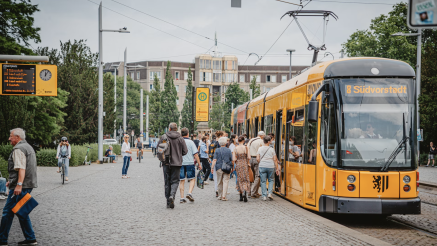
Transit-Oriented Development integrates transport planning, land use, and urban design to create compact, connected, and livable cities.

Municipal PPP

Municipal Public-Private Partnerships are long-term collaborations between local governments and private entities to deliver infrastructure and public services.

Gender and Cities

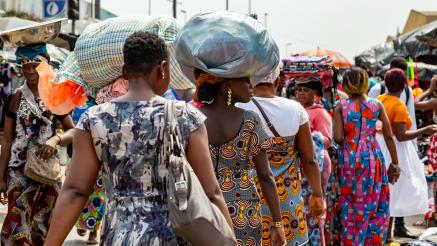
Women and girls face disproportionate climate impacts in cities, making gender equality essential to achieving resilient, inclusive urban development.
Related Content

Making the Business Case for Nature-Based Infrastructure: How the City of Cape Town boosted funding for restoring its waterways The City of Cape Town is investing in nature-based infrastructure (NBI) to restore its degraded rivers and wetlands.
News & Blogs