

Paraguay
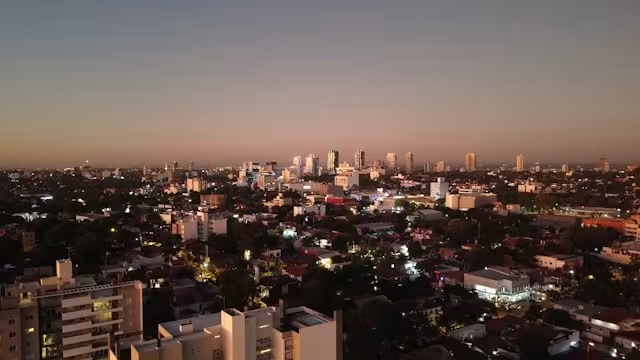
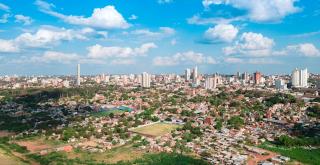
Photo by Anton Lukin / Unsplash
Paraguay has played an important role in the Global Environment Facility’s sustainable cities agenda through the participation of Asunción in the GEF-6 Sustainable Cities Integrated Approach Pilot (SC IAP). As the country’s capital and economic center, Asunción used the program to advance an ambitious sustainability vision aligned with the Inter-American Development Bank’s Emerging and Sustainable Cities Initiative. Through GEF-6, the city strengthened its enabling framework for green and resilient urban development, including institutional capacity building, disaster risk planning, public awareness efforts, and the creation of sustainability monitoring systems. Asunción also advanced major improvements in sustainable mobility—such as electric bus rapid transit, modernization of the citywide bus fleet, multimodal transport infrastructure, and enhanced traffic management, along with electronic ticketing systems.
Complementary pilot projects focused on solid waste management, recycling, and the restoration of key natural habitats, including the Bahía de Asunción, underscoring the city’s commitment to biodiversity and ecosystem resilience. Asunción’s achievements under GEF-6 continue to serve as a valuable reference for the global GEF SCIP network, demonstrating how integrated planning can drive transformative climate and environmental outcomes in rapidly growing urban areas.
Keywords