

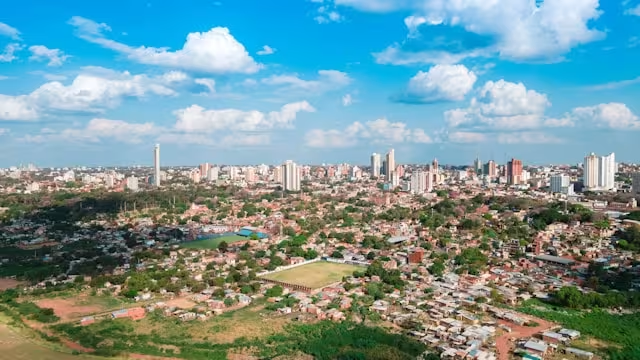
Asunción

AREA:
117 km² (45.2 sq mi)
POPULATION:
462,241
Paraguay

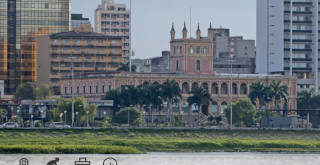
Asunción, Paraguay’s capital and largest metropolitan area, participated in the GEF-6 Global Platform for Sustainable Cities (GPSC) to strengthen its transition toward an integrated, sustainable urban model. As the nation’s political, industrial, and cultural hub, Asunción faces mounting challenges linked to rapid metropolitan expansion, inefficient transport systems, inadequate solid waste management, and the degradation of critical ecosystem services. Through the GPSC-supported project, the city is developing an enabling framework for sustainable urban development that integrates sectoral planning and defines short-, medium-, and long-term sustainability goals across transport, waste, and green infrastructure sectors. The initiative also strengthens institutional capacity, promotes cross-sectoral coordination, and enhances engagement with civil society and the private sector. A new monitoring, reporting, and verification (MRV) platform will support evidence-based decision-making, ensuring adaptive urban management and guiding Asunción’s long-term transition toward a resilient, low-carbon, and inclusive metropolitan future.
Recent initiatives

Transit-Oriented Development

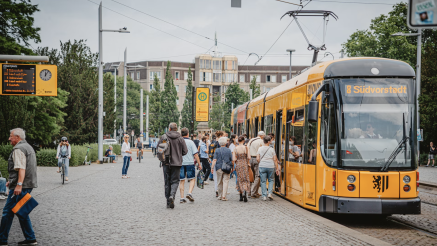
Transit-Oriented Development Public transportation is often a city’s best strategy to curb congestion and reduce greenhouse gas emissions. But rapidly expanding populations and insufficient financing

Municipal PPP

Well-designed and well-managed Public-Private Partnerships (PPPs) can deliver high-quality and cost-efficient infrastructure, helping municipalities address critical infrastructure needs in the face

Gender and Cities

The World Bank Group takes as its starting point that no country, community, or economy can achieve its potential or meet the challenges of the 21st century without the full and equal participation of
Related content

Best Practices and Lessons Learned: Urban Orchards in a Natural Reserve “Banco San Miguel y Bahía de Asunción” Ecological Reserve is the city’s largest green area. Spreading over 300 hectares, this unique ecosystem is recognized worldwide as a conservation site for shore
Knowledge Product

Best Practices and Lessons Learned: Tactical Urbanism to Design Cities for People It is estimated that around 600,000 motored vehicles enter the city of Asunción each day, adding a lot of pressure to the already dense traffic. The car-centric design of cities like Asunción, Ñemby
Knowledge Product

Best Practices and Lessons Learned: My Neighborhood Without Waste The first step to recover valuable waste is to sort it at the point of origin, separating recyclables from non-recyclables. However, the Municipality of Asunción does not yet provide a segregated
Knowledge Product

Best Practices and Lessons Learned on the Pathways to Sustainability: Urban Park Rangers The importance of conservation units in urban areas lies in the fact that they are mitigating elements of environmental impact. We must make every effort to ensure effective environmental management
Knowledge Product