

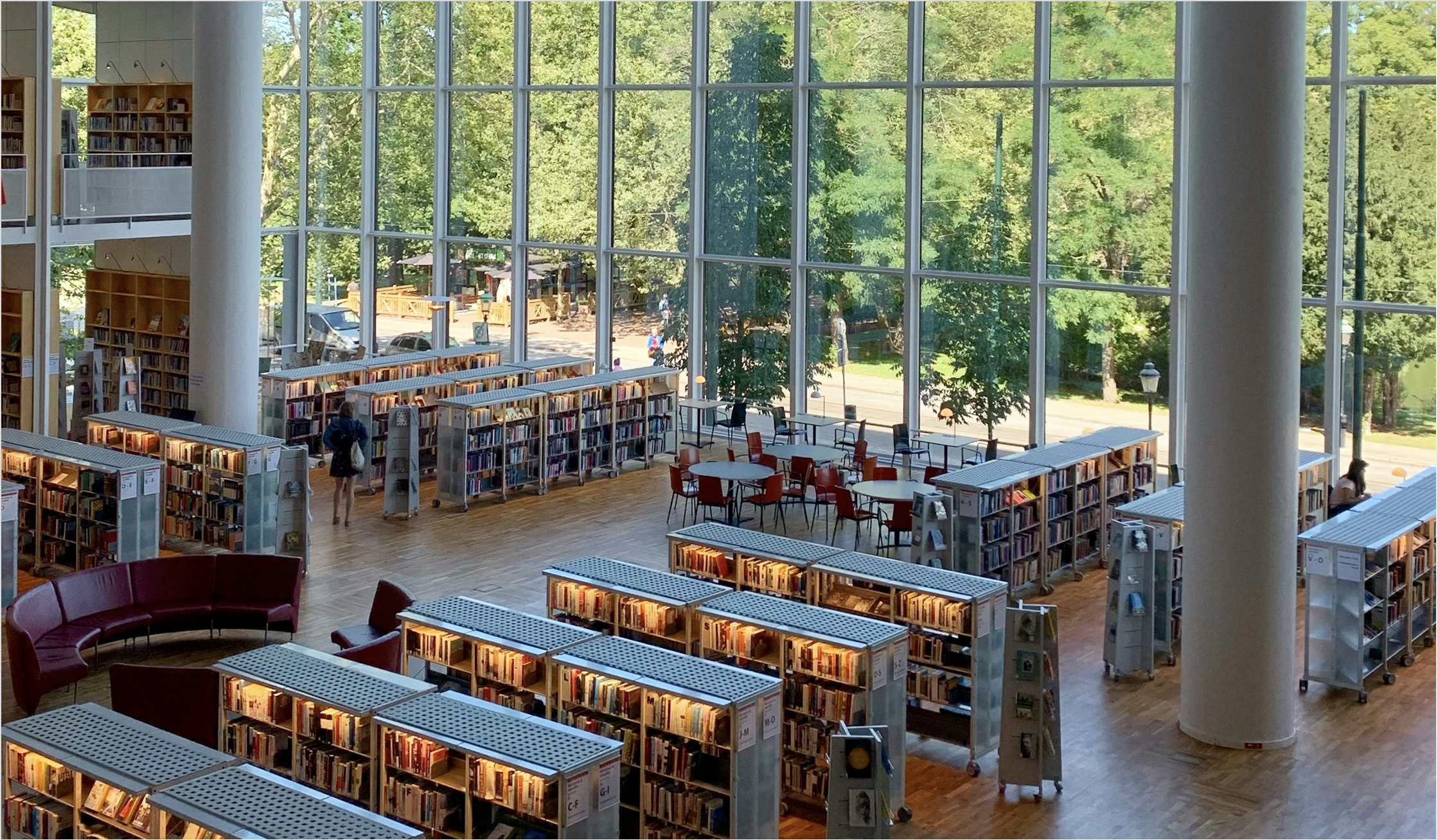
Knowledge Products
The GPSC hosts a digital library featuring practical tools, reports, and case studies. Explore curated resources across thematic areas, filtering by topic or region to find the insights required to advance urban sustainability.
Report
Climate Change Infrastructure Project Screening Framework (for Mitigation and Adaptation)
This tool helps catalyzing the next generation of investments in cities for climate-smart, greener, more resilient, and inclusive urbanization.Tool
Successful Local Government Fundraising and Project Pitching
Brasília rapidly raised over USD 450 million for climate projects, highlighting persistent barriers local governments face in accessing early‑stage finance.
IUCN Global Standard for Nature-based Solutions
The Standard guides users in designing adaptable, effective NbS without rigid thresholds, supporting continuous learning and improved outcomes.
Primer for Cool Cities: Reducing Excessive Urban Heat – With a Focus on Passive Measures
The primer outlines urban cooling solutions and offers practical guidance to help cities reduce heat impacts and protect residents.
Inclusive Community Engagement Playbook
The Playbook guides cities in delivering inclusive community engagement using practical tools and case studies for climate‑action planning.
COVID-19’s Impact on the Waste Sector
Cities face worsening waste challenges as COVID‑19 impacts services and global municipal waste volumes rise sharply, especially in low‑income countries.
Streets for Pandemic Response and Recovery
The guide compiles global street‑design practices for safe mobility and public space during COVID‑19, supporting cities’ response and recovery.
Bonifacio Global City: A Public-Private Joint Venture - Case Study
The Philippines transformed Fort Bonifacio from a decommissioned U.S. base into a mixed‑use district developed through public‑private partnership.
Brooklyn Bridge Park - Case Study
Brooklyn transformed abandoned cargo piers into Brooklyn Bridge Park, a self‑sustaining waterfront destination created through community advocacy and PPP.