

Knowledge Products
The GPSC hosts a digital library featuring practical tools, reports, and case studies. Explore curated resources across thematic areas, filtering by topic or region to find the insights required to advance urban sustainability.

Report
Climate Change Infrastructure Project Screening Framework (for Mitigation and Adaptation)
This tool helps catalyzing the next generation of investments in cities for climate-smart, greener, more resilient, and inclusive urbanization.Tool

Management of Municipal Solid Waste: Approaches and Practices within the World Bank
The text outlines three steps for progressing from basic waste collection to fully sustainable resource management systems.
Sustainable Urban Development Assessment (SUDA) - Summary Report
The document summarizes SUDA results, highlighting trends, lessons and recommendations to guide future sustainable urban development planning.
Integrating Climate Adaptation: a Toolkit for Urban Planners and Adaptation Practitioners
The toolkit helps cities integrate climate adaptation into urban planning through assessments, case studies, policies, and practical workshop resources.
Assessment of SWM Services and Systems in Nepal - Policy Advisory Note
The report reviews Nepal’s solid waste systems, compiling stakeholder insights to shape findings and recommendations for future improvements.
C40 Action Selection and Prioritisation (ASAP) Tool and resources
The ASAP resources help cities select and prioritise climate actions by comparing benefits, co‑benefits and implementation barriers.
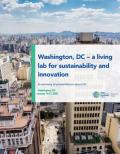
Washington, DC – a Living Lab for Sustainability and Innovation
Washington, DC seeks to integrate equity, affordability, cultural inclusion, and climate resilience into planning.
Policy Solution from the Solution Gateway on Efficient Street Lighting Using LED
The policy requires all government and community lighting systems to use energy‑efficient technology, supported by sustainable procurement.
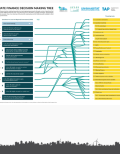
Climate Finance Decision-making Tree
The tool guides local governments through financing options, with case studies to support climate‑related investment choices.