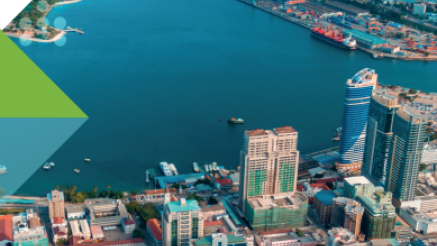


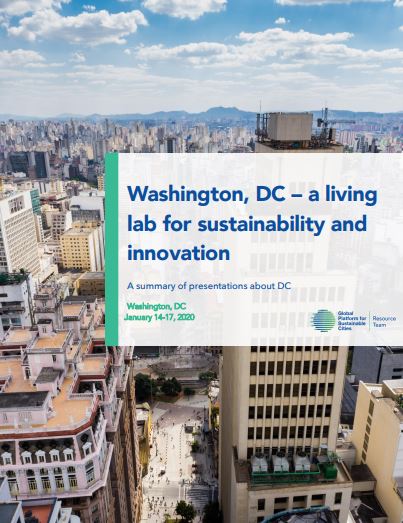
Washington, DC is a compact city, encompassing just under 70 square miles and nearly 700,000 residents. In the wake of an urban regeneration that has transformed the physical form as well as the city’s population, through gentrification and displacement of the formerly majority African American population, the city is taking strides to confront and counteract negative externalities while adapting to climate change and bolstering the city’s resilience.
These concerns are being mainstreamed into sustainability initiatives that foster targeted public engagement efforts in the planning process; housing reform that maintains and increases the number of affordable and energy efficient housing units in all neighborhoods; a massive pipeline of residential development projects that allow low-income families to stay in DC while bringing back those that have been displaced; new plans and policies that prioritize and honor cultural heritage, diversity, and social inclusion; leading building efficiency policy and plans to meet ambitious emission targets that protect vulnerable communities. All of these reforms and initiatives have been anchored within a comprehensive and inclusive sustainability plan. Agencies across the District are acknowledging the threat of climate change.