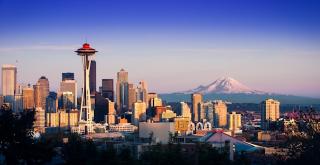


United States

Photo by Thomas Habr / Unplash
The United States collaborates with the Global Platform for Sustainable Cities (GPSC) through knowledge exchange, city-to-city learning, and thematic partnerships that inform global approaches to sustainable urban development. Several U.S. cities—such as Los Angeles, Seattle, and others across the State of California—actively contribute to the GPSC network by sharing their experiences in areas including climate action, nature-based solutions, circular economy strategies, and data-driven urban governance.
California’s pioneering work on climate policy and urban sustainability, together with the innovations of cities like Los Angeles in green infrastructure and smart technologies, has provided valuable lessons for the GEF Sustainable Cities Integrated Program (SCIP) network. These experiences have helped shape global discussions on decarbonized transport, sustainable financing mechanisms, and resilience planning. Similarly, cities like Seattle have shared their leadership in community-based adaptation, biodiversity protection, and integrated water management through GPSC workshops and deep-dive exchanges.
The United States’ collaboration within the GPSC ecosystem reflects a broader commitment to advancing inclusive, climate-smart, and nature-positive urban development. Its urban experiences continue to inspire GEF cities worldwide—offering replicable models that integrate innovation, environmental stewardship, and social inclusion into the heart of city planning.
Keywords