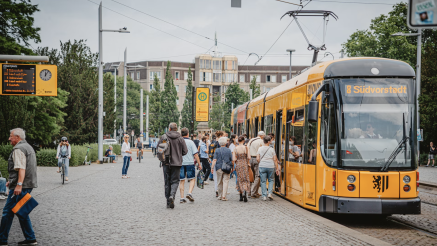



Photo by Thom Milkovic / Unsplash
Seattle serves as a lighthouse city under the GEF-8 Sustainable Cities Integrated Program (SCIP), contributing its experience in climate resilience, green mobility, and circular economy innovation through the GPSC Global Knowledge Platform. As one of the leading U.S. cities advancing a just transition to carbon neutrality, Seattle integrates equity-focused climate policies, data-driven planning, and nature-based solutions into urban management. The city’s Climate Action Plan commits to net-zero emissions by 2050 and prioritizes decarbonization of transport, buildings, and waste systems while protecting vulnerable communities. By sharing its lessons on adaptive infrastructure and inclusive governance, Seattle supports peer cities in designing integrated, low-carbon, and people-centered urban pathways.