


Events
GPSC hosts a broad range of local, regional and global events and supports many partner events. Sign up to an upcoming event or explore recordings from past events. Subscribe to our newsletter or follow us on LinkedIn to not miss future events.
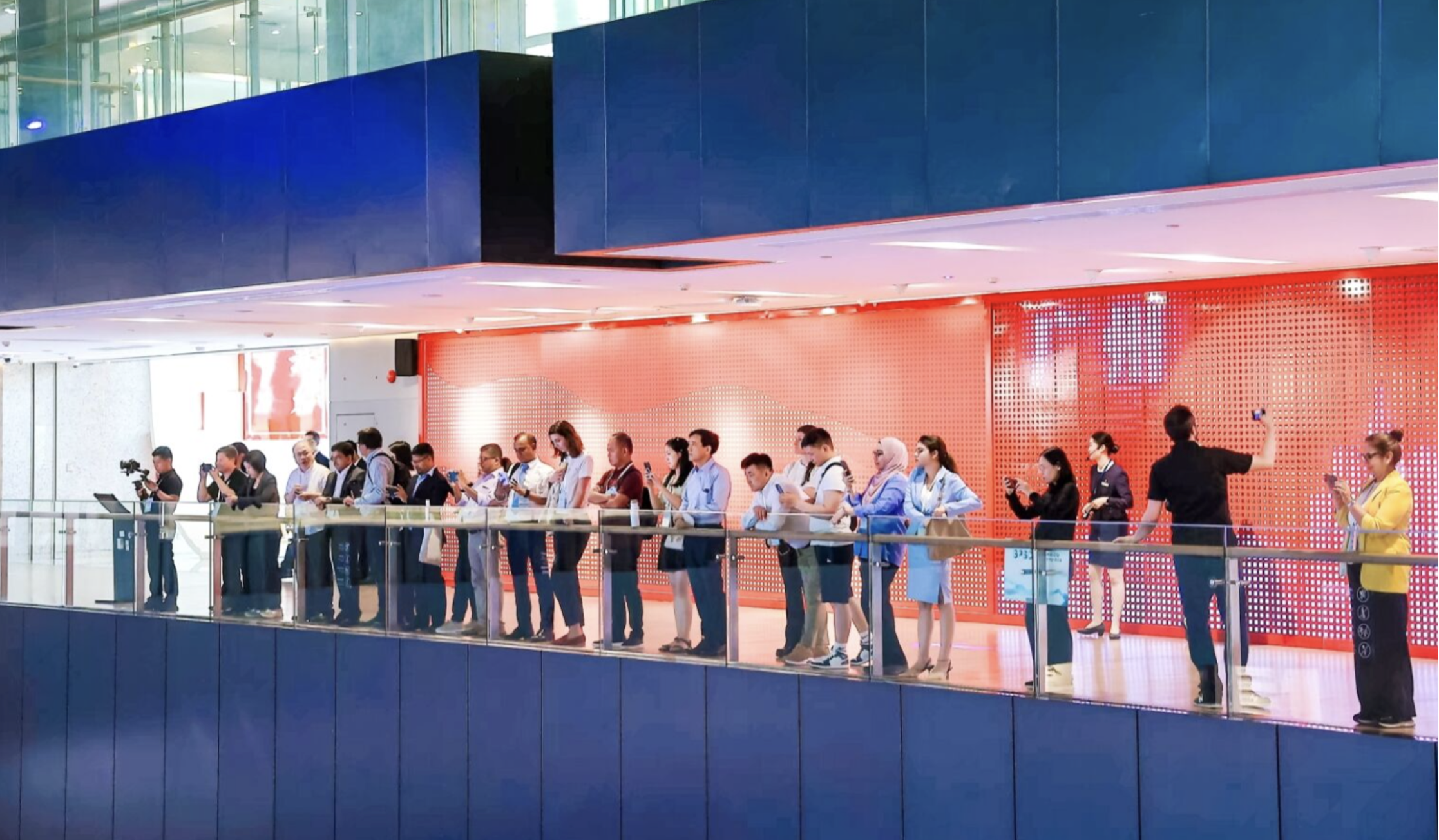
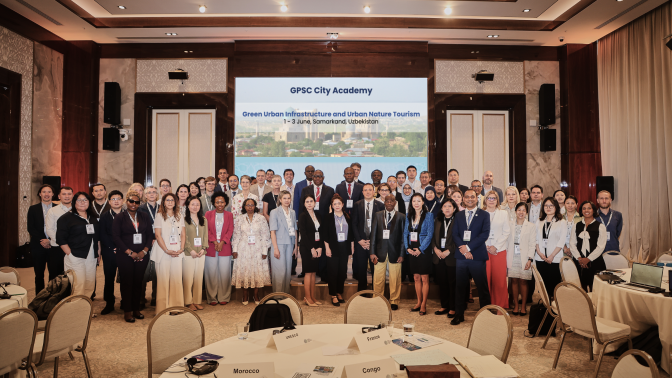
Samarkand, Uzbekistan
GPSC City Academy on Green Urban Infrastructure and Urban Nature Tourism
-
City representatives, experts, and partners will meet in Samarkand to exchange insights on planning, financing, and implementing green urban infrastructure.Regional Academy
Online
Cities on the Frontline Speaker Series: Urban Heat: Cities Taking Action
Cities are heating up at twice the rate of global average warming due to the urban heat island effect and
Online
Cities on the Frontline. A Roadmap to Resilience: Cities Planning and Adapting to Climate Change
To deliver on their climate goals and respond to their urban resilience challenges, cities have undertaken an iterative and collaborative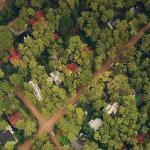
Online
Land Pooling/Readjustment: An Alternative to Compulsory Land Acquisition (Facilitated)
This course aims to assist policy makers and practitioners to understand the general concepts and empirical applications of land readjustment
Online
Cities on the Frontline Speaker Series. Creating Resilient Cities: The Role of Play in Planning
Play is essential for children’s health, physical and emotional growth, and intellectual and educational development while also helping children to
Online
Cities on the Frontline. From Theory to Practice: Partnerships to fund Resilience Implementation
With more than half of the world’s population living in urban areas, a number that is expected to reach 70
Online
The deep‑dive enabled C4B cities to strengthen capacity through peer learning on integrating ecology and green infrastructure into planning.