

Dakar

AREA:
79.83 km2 (30.82 sq mi)
POPULATION:
3,658,640
Senegal

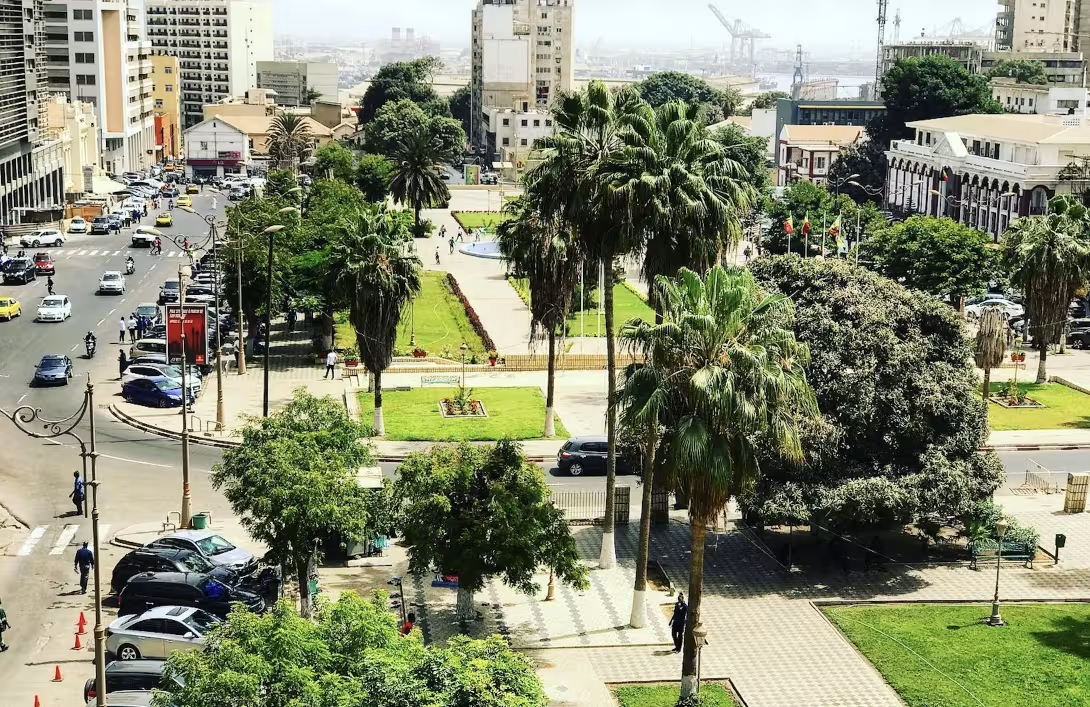
Dakar, the capital and largest city of Senegal, participates in the GEF-6 Global Platform for Sustainable Cities (GPSC) to strengthen integrated urban planning and climate resilience. Situated at the westernmost point of Africa, Dakar and its surrounding municipalities form the Greater Dakar metropolis, a fast-growing area facing congestion, inadequate infrastructure, and environmental stress. The GPSC-supported project focuses on developing an integrated urban plan that embeds climate change risk management into land-use, housing, and transport planning. It also establishes a national knowledge platform to promote sustainable urban practices and foster collaboration among Senegalese cities. Through these efforts, Dakar advances toward a more coordinated, climate-resilient, and inclusive model of urban growth.
Recent initiatives

Transit-Oriented Development

Transit-Oriented Development Public transportation is often a city’s best strategy to curb congestion and reduce greenhouse gas emissions. But rapidly expanding populations and insufficient financing

Municipal PPP

Well-designed and well-managed Public-Private Partnerships (PPPs) can deliver high-quality and cost-efficient infrastructure, helping municipalities address critical infrastructure needs in the face

Gender and Cities

The World Bank Group takes as its starting point that no country, community, or economy can achieve its potential or meet the challenges of the 21st century without the full and equal participation of
Related content

Webinar 18: Air quality monitoring at the local level: the case of Dakar, Senegal Air pollution in cities is a major threat to the population, with significant negative impacts on public health, but also on climate change, the water cycle, ecosystems, energy production, amongst
Events