

Cape Town

AREA:
2,461 km2 (950 sq mi)
POPULATION:
5,063,580
South Africa

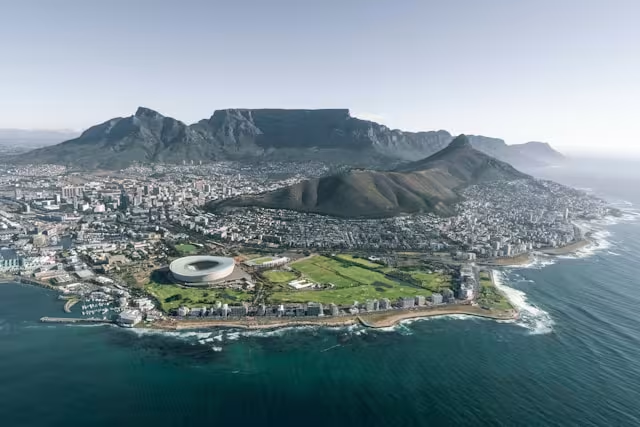
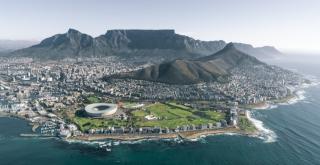
Cape Town serves as a lighthouse city under the GEF-8 Sustainable Cities Integrated Program (SCIP), sharing its experience in water resilience, climate adaptation, and circular resource management with cities across Africa and beyond. Building on lessons from its successful response to the 2018 water crisis, Cape Town demonstrates how integrated planning, nature-based solutions, and community engagement can enhance urban resilience in the face of climate stress. Through the GPSC knowledge platform, the city contributes technical expertise on sustainable water systems, low-carbon mobility, and inclusive urban design, inspiring peer learning and replication among participating SCIP cities.
Recent Initiatives

Transit-Oriented Development

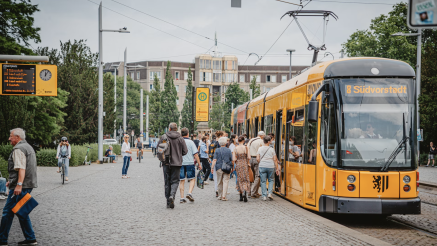
Transit-Oriented Development Public transportation is often a city’s best strategy to curb congestion and reduce greenhouse gas emissions. But rapidly expanding populations and insufficient financing

Municipal PPP

Well-designed and well-managed Public-Private Partnerships (PPPs) can deliver high-quality and cost-efficient infrastructure, helping municipalities address critical infrastructure needs in the face

Gender and Cities

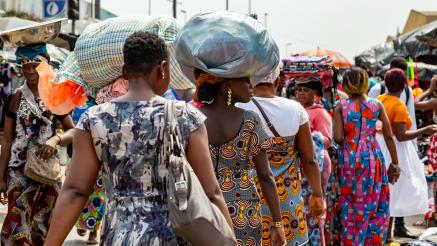
Why Gender Matters Our Approach What We Do Explore Our Resources Featured Resources Gender equality is essential to achieving sustainable, resilient, and inclusive cities. Climate change
Related Content

Making the Business Case for Nature-Based Infrastructure: How the City of Cape Town boosted funding for restoring its waterways The City of Cape Town is investing in nature-based infrastructure (NBI) to restore its degraded rivers and wetlands. When funding was under pressure, the International Institute for Sustainable
News & Blogs