

Freetown

AREA:
82.48 km2 (31.85 sq mi)
POPULATION:
1,387,360
Sierra Leone

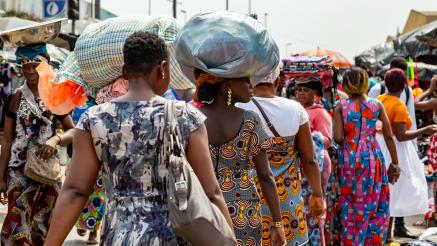
Photo by Kelly / Pexels

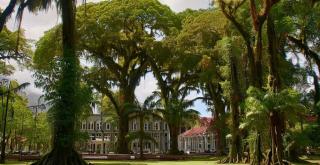
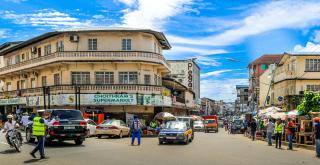
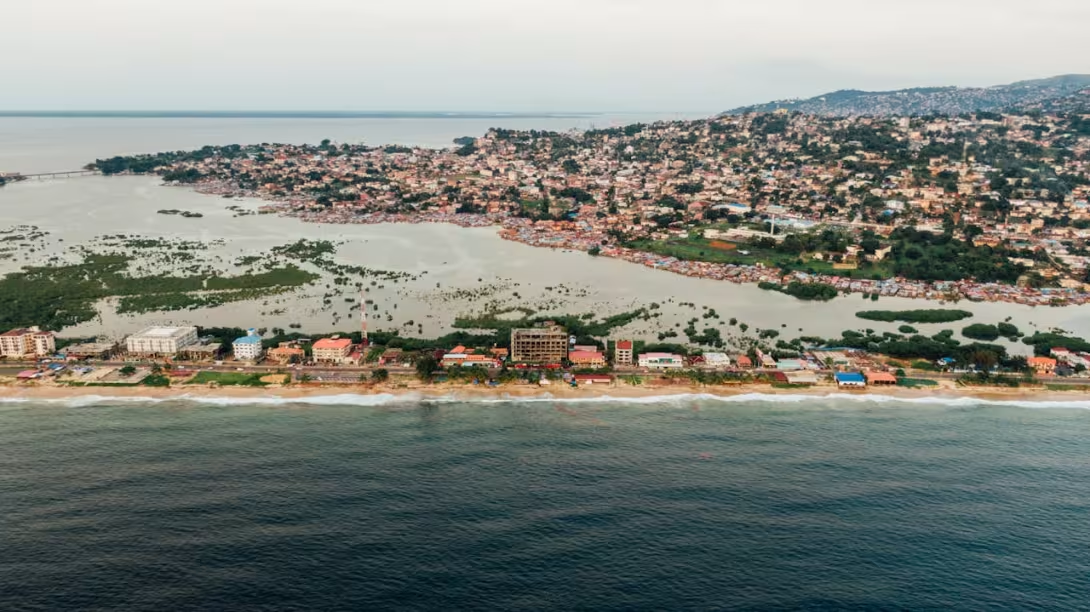
Freetown, the capital and largest city of Sierra Leone, participates in the GEF-7 UrbanShift program implemented by the World Bank in partnership with the Government of Sierra Leone and Freetown City Council. Located on the Atlantic coast, the city is home to around one million people and serves as the country’s main commercial port. Rapid urbanization and unplanned development have expanded informal settlements in flood- and landslide-prone areas, heightening vulnerability to climate impacts. Through the Resilient Urban Sierra Leone Project (RUSLP), UrbanShift supports integrated urban management, disaster risk reduction, and nature-based solutions such as the “Freetown the Treetown” initiative, which restores forest cover, reduces erosion, and enhances biodiversity. The program strengthens service delivery, waste management, and early warning systems, improving resilience and livability for Freetown’s growing population.
Recent Initiatives

Transit-Oriented Development

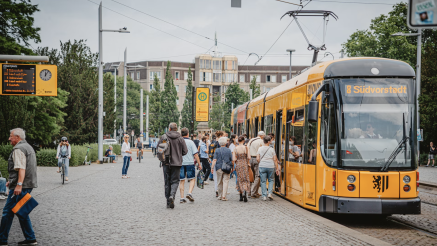
Transit-Oriented Development integrates transport planning, land use, and urban design to create compact, connected, and livable cities.

Municipal PPP

Municipal Public-Private Partnerships are long-term collaborations between local governments and private entities to deliver infrastructure and public services.

Gender and Cities

Women and girls face disproportionate climate impacts in cities, making gender equality essential to achieving resilient, inclusive urban development.
Related Content

Building connections to support sustainability across the world's cities UrbanShift advances climate, resilience, and nature‑positive goals by helping cities decarbonize, address extreme heat, restore ecosystems, and strengthen sustainable partnerships.
News & Blogs

Transforming our cities: a collective path to sustainability The Sustainable Cities Program supports cities with integrated planning, innovation, financing, and partnerships to advance resilient, low‑carbon, and nature‑positive development.
News & Blogs

Nature-Based Solutions for Resilient Cities and Restoring Local Biodiversity Nature‑based solutions boost urban resilience by creating ecosystems supported by baselines, native biodiversity, connectivity, monitoring, and ongoing management.
News & Blogs

Tale of three mayors: Coping with COVID-19 Mayors from Freetown, Helsinki, and São Paulo shared COVID‑era strategies for greener, resilient cities, emphasizing planning, creativity, and sustainable recovery.
News & Blogs