

Mobility

Sustainable mobility links people, jobs, and opportunities through low-carbon, accessible, and equitable transport systems. Compact urban design and investment in public transit, cycling, and walkability reduce emissions while improving quality of life.
Sustainable mobility systems connect people, places, and opportunities while reducing emissions and congestion. Investing in public transit, walking, and cycling infrastructure supports health, equity, and environmental goals. Integrating land use and transport planning leads to compact, connected cities where movement is efficient and inclusive. Mobility is not just about transport—it is about enabling access and opportunity for all.
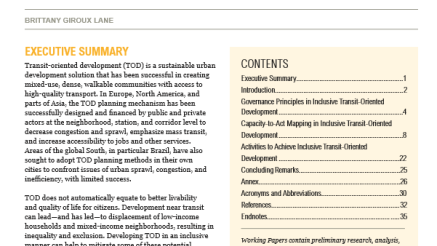
The GPSC promotes sustainable urban mobility through its collaboration with the World Bank’s Transit-Oriented Development (TOD) initiative, which helps cities create compact, connected, and accessible urban environments. The TOD Toolkit and Handbook developed under this initiative offer step-by-step guidance for integrating land use and transport planning to reduce emissions and enhance livability.
Cities can explore GPSC’s Transit-Orientated Development initiative page to learn more about ongoing activities, case studies, and capacity-building efforts supporting low-carbon mobility, and visit the GPSC Resource Products to access additional tools and technical resources.