

Transforming the urban space through transit-oriented development : the 3V approach
December 31, 2016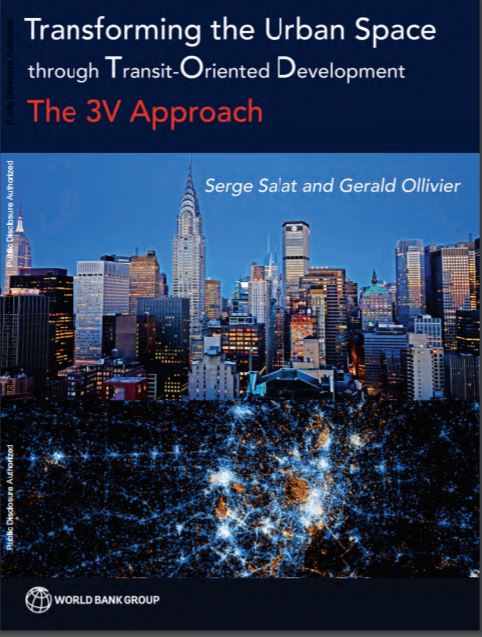
Imagine a city that is more competitive, with higher-quality neighborhoods, lower infrastructure costs, and lower C02 emissions per unit of activity. This city has lower combined transportation and housing costs for its residents than other cities at similar levels of economic activity. Its residents can access most jobs and services easily through a combination of low-cost public transport, walking, and cycling. Its core economic and population centers are resilient to natural hazards. It is able to finance improvements to public space, connectivity, and social housing by capturing the value created through integrated land use and transport planning. Such a vision has never been more relevant for rapidly growing cities than it is today. Transit-oriented development (TOD) can play a major role in achieving such a vision.