

Solid and Industrial Hazardous Waste Management Assessment: Options and Actions Areas to Implement the National Strategy (Vietnamese)
31 DECEMBER 2017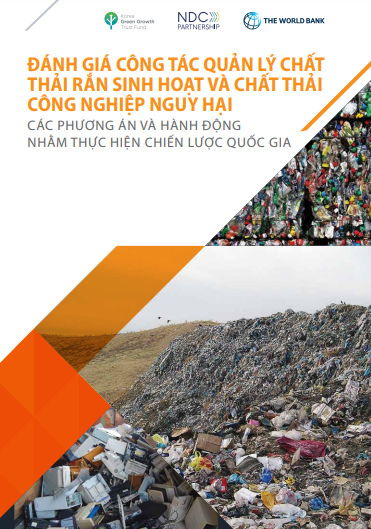
Vietnam has set as its objective, under the Vietnam Green Growth Strategy, the greening of production and of consumption, with a strong focus on proactive prevention of pollution, waste management and recycling, greener technologies, and greener cities. This ASA specifically looks at the issue of integrated solid waste management in Vietnam. The main objective of this ASA is to identify critical concerns, highlight gaps, and prioritize actions for enhancing sector performance of solid waste management in Vietnam. This will include activities designed to investigate and analyze the (i) lack of adequate waste management and recycling infrastructure in Vietnam; (ii) performance of regulators to develop adequate policies, monitoring and enforcement mechanisms; and (iii) efficiency of waste operators to provide the required services. The ASA will be carried out in two phases, and will be targeted at the national level (in terms of stocktaking and sector engagement), and then specifically at city/region level (in terms of specific investments, cost-effectiveness, and prioritization).