

C4B 3rd Deep-Dive Learning on Urban Heat
27 April 2023 - 01 May 2023,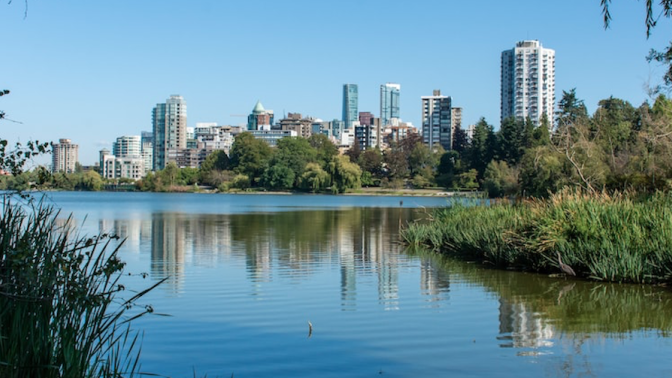
The GPSC jointly organized a 3rd Deep-Dive on urban cooling in Singapore from April 24 to 28, 2023. The TDD was co-financed by Global Facility for Disaster Reduction and Recovery (GFDRR), the Energy Sector Management Assistance Program (ESMAP), and the GPSC.
Delegations from Cambodia, China, Indonesia, Paris, the Philippines, Poland, Thailand, Uzbekistan, and Vietnam attended the event. The TDD illustrated active and passive/nature-based cooling solutions and shared good practices from Singapore, Paris, and the city of Guangzhou, China. The event allowed many delegations to learn that urban has implications on urban heatwaves affecting health, urban infrastructure, and natural resources created awareness on the topic. Most cities are not prepared to cope with a much warmer climate. The framework presented includes collecting data to build urban heatmaps, identifying vulnerable groups, adopting locally suitable passive and active cooling solutions, and incorporating these solutions into codes, standards, and policies.
For the Bank’s task teams, many solutions demonstrated during the TDD can be integrated into the project activities that support cities’ planning process (including CCDR), low carbon and resilient buildings, green urban infrastructure, neighborhood design, urban regeneration, and new town development.