

Knowledge Products
The GPSC hosts a digital library featuring practical tools, reports, and case studies. Explore curated resources across thematic areas, filtering by topic or region to find the insights required to advance urban sustainability.

Report
Climate Change Infrastructure Project Screening Framework (for Mitigation and Adaptation)
This tool helps catalyzing the next generation of investments in cities for climate-smart, greener, more resilient, and inclusive urbanization.Tool
Municipal Solid Waste Cost Calculation Technical Guidelines for Low and Middle-Income Countries
The guidelines help municipalities calculate full waste service costs to plan financing, sustain operations, and guide investment decisions.
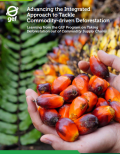
Advancing the Integrated Approach to Tackle Commodity-driven Deforestation
The GGP builds on long-term GEF efforts to shift beef, soy, and palm oil supply chains.

Note on Nature Finance Tracking Methodology
The methodology helps the World Bank identify nature‑positive finance and supports outcome‑based tracking aligned with global biodiversity goals.
Toward Developing a Mobility and Gender Index
Limited sex‑disaggregated data hinders gender‑inclusive mobility; the World Bank’s Mobility and Gender Index develops a framework to resolve this.
Trading Towards Sustainability: The Role of Trade Policies in Indonesia’s Green Transformation
The report analyzes how trade and policy reforms in environmental goods and plastic substitutes can support Indonesia’s green transition.
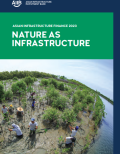


Healthy Cities: Revisiting the Role of Cities in Promoting Health
The Healthy Cities Report provides a framework and recommendations to help policymakers advance healthier cities through targeted and integrated action.
A Playbook for Nature-positive Infrastructure Development
Infrastructure drives biodiversity loss and emissions, demanding a fundamental shift toward designs that restore ecosystems and enable net‑zero development.

Unlocking Blue Carbon Development: Investment Readiness Framework for Governments
The paper helps governments catalyse Blue Carbon investment through readiness checklists across data, policy, institutions, and finance pillars.