

Healthy Cities: Revisiting the Role of Cities in Promoting Health
17 OCTOBER 2023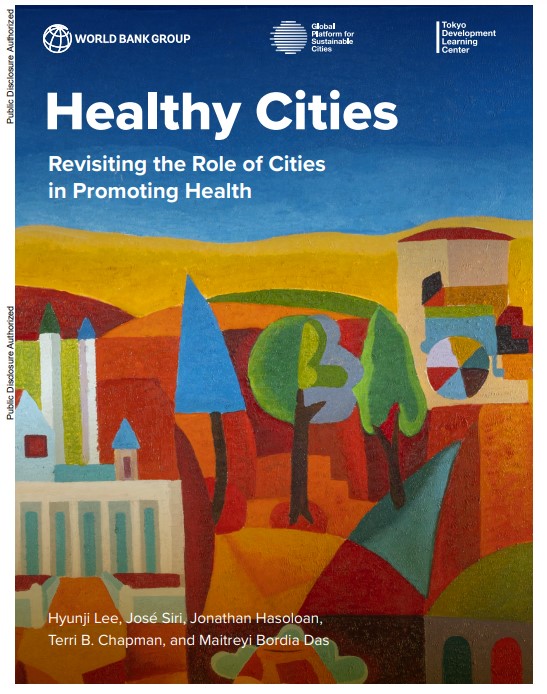
The Healthy Cities Report aims to provide policymakers and development practitioners with an action-oriented framework for achieving healthy cities. Informed by an extensive literature review, it draws on the wealth of World Bank experience in urban development, citing examples and case studies of healthy city successes and challenges globally. It also recognizes the significant existing global efforts made by other stakeholders and partners on the healthy cities agenda, incorporating these lessons and practices. The report seeks to reposition the role that cities play in improving human and ecosystem health. It functions as a high-level guide for practitioners in urban development, offering overarching recommendations for working towards healthier cities. It needs to be read with the understanding that every city faces specific challenges and will likewise require unique actions tailored to the local context.
The report is structured around a framework with three broad areas for supporting healthy cities – targeted support, integrated action, and preparation for the future – known as the TIP framework.