

COVID-19 and Slums

April 29, 2020

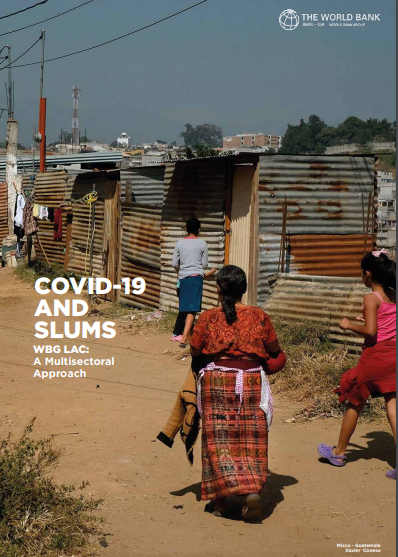
Slum inhabitants are the most vulnerable groups in the short and long-term: The risk exposure to the virus is likely to be exacerbated in slums, where people live in overcrowded conditions, and tend to lack access to basic sanitation services and hygiene, health services, waste management and adequate transportation options. Slum inhabitants are the least resilient to confront shocks: they are mostly informal workers with irregular incomes, higher incidence of poverty, little or no savings. 
 
Related content
View all

Inclusivity

Addressing Gender Gaps in Housing Interventions

With more than half of the world’s population already living in cities, continued urbanization presents great opportunities as well as significant challenges. How cities respond to this growth will
Knowledge Product

Learn more

Inclusivity

COVID-19 and Slums

Slum inhabitants are the most vulnerable groups in the short and long-term: The risk exposure to the virus is likely to be exacerbated in slums, where people live in overcrowded conditions, and tend
Knowledge Product

Learn more

Inclusivity

Methodology Note - Participatory Violence Mapping in Informal Urban Settlements

Kenya is experiencing rapid urbanization. In 2016, about 14 million people (25 percent of the country’s population) were living in urban areas, but by 2030 that number is expected to increase to over
Knowledge Product

Learn more