

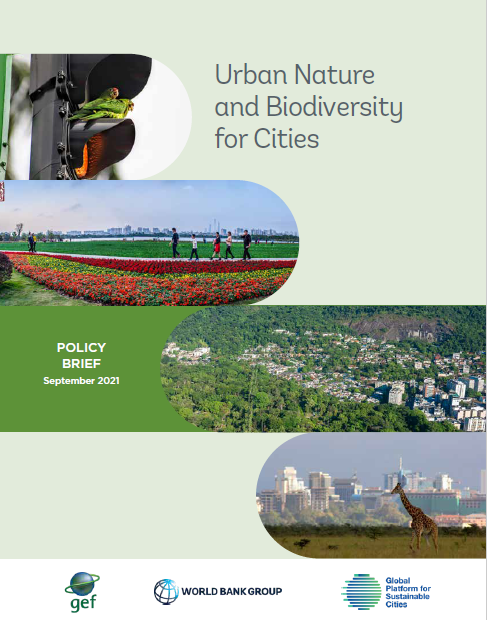
One important way for urban leaders to rise to today’s challenges is to bring biodiversity and nature into urban design through urban ecological planning. Such planning recognizes that cities depend on biodiversity and that biodiversity depends on cities. Ecological planning not only illuminates the linkages between urbanization and biodiversity, but also helps integrate this understanding into urban planning, strategy, and investment. We have the knowledge, data, tools, and approaches to direct investment in nature to solve many different types of urban problems. Using these approaches today will help cities of the future become more sustainable, livable, resilient, and equitable.

Related content
View all
Nature
Nature-Based Solutions for Cities
We are living in the urban century, one where urbanization is driving multiple global environmental changes that in turn place stress and cause major disturbances to urban life and ecosystems. Cities
Nature
Best Practices and Lessons Learned: Urban Orchards in a Natural Reserve
“Banco San Miguel y Bahía de Asunción” Ecological Reserve is the city’s largest green area. Spreading over 300 hectares, this unique ecosystem is recognized worldwide as a conservation site for shore
Nature
Best Practices and Lessons Learned on the Pathways to Sustainability: Urban Park Rangers
The importance of conservation units in urban areas lies in the fact that they are mitigating elements of environmental impact. We must make every effort to ensure effective environmental management