

Republic of the Congo
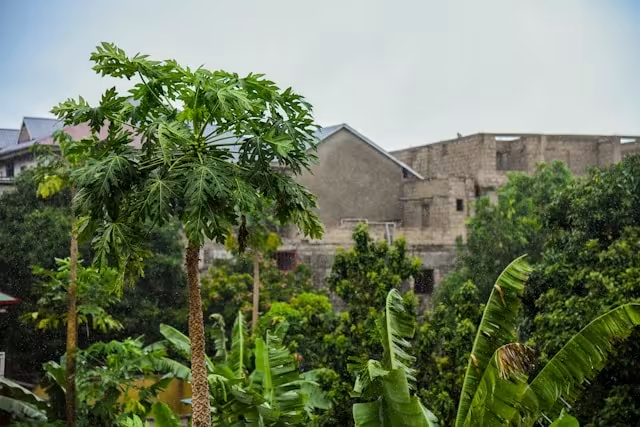
Photo by Johnnathan Tshibangu / Unsplash
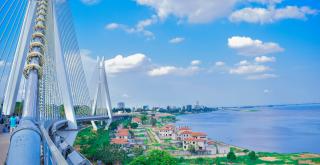
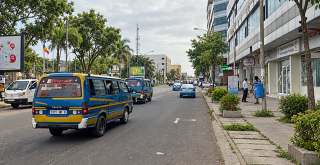
The Republic of the Congo participates in the GEF-8 Sustainable Cities Integrated Program (SCIP) through Brazzaville and Pointe-Noire, advancing integrated planning, urban resilience, and climate-smart infrastructure in one of Central Africa’s fastest-growing capitals. As a city facing mounting pressures from rapid urbanization, flooding, inadequate basic services, and environmental degradation, Brazzaville is using GEF-8 SCIP to strengthen metropolitan governance, expand nature-based solutions, and improve urban service delivery—particularly in electricity reliability and resilient infrastructure.
Through the GPSC Global Knowledge Platform, Brazzaville is enhancing its capacity to integrate land-use planning, green infrastructure, low-carbon approaches, and circular economy practices into its development strategies. Congo’s engagement brings valuable lessons to the global GEF network on how emerging urban centers can build resilience, reduce environmental vulnerability, and create more inclusive, sustainable pathways for growth.
The World Bank serves as the Implementing Agency. The Executing Agencies are the Ministry of Construction, Urban Planning and Housing, the Ministry of the Environment, Sustainable Development and the Congo Basin, and the Municipality of Brazzaville.
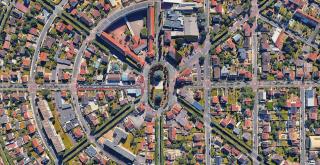
The project will target Brazzaville, focusing on sustainable urbanization to address systemic environmental threats such as deforestation and land degradation around the city, exacerbated by unplanned urban sprawl and population growth. With a comprehensive approach that integrates biodiversity, climate change mitigation, and urban resilience, the project will invest in nature-based solutions, such as reforestation and sustainable urban infrastructure, to reduce risks from floods, erosion, and landslides.
The project will strengthen institutional capacities at the national and municipal levels to facilitate collaborative governance and inclusive planning, with a focus on improving engagement with the private sector and empowering women. By addressing these challenges, the project will set a model for sustainable urban transformation that can be scaled across the region.
Component 1 – Integrated Urban Resilience Planning and Institutional Strengthening
- Development of integrated urban resilience strategies aligned with national climate and development frameworks
- Climate risk, flood hazard, and vulnerability assessments for priority urban areas
- GIS-based urban planning and environmental risk decision-support systems
- Regulatory and institutional strengthening for risk-informed land-use management
- Inter-agency coordination mechanisms for resilient urban governance
- Capacity building for municipal authorities on climate adaptation and ecosystem-based planning
Component 2 – Climate-Resilient Urban Infrastructure and Service Systems
- Flood mitigation interventions through drainage rehabilitation and stormwater management upgrades
- Hybrid green–grey infrastructure for urban water regulation and erosion control
- Urban ecosystem restoration interventions in vulnerable flood-prone zones
- Rehabilitation and expansion of climate-resilient electricity distribution infrastructure
- Energy efficiency improvements in urban service delivery systems
- Community-based engagement mechanisms for infrastructure stewardship and resilience awareness
- Performance monitoring framework for infrastructure resilience and service reliability indicators
Component 3 – Investment Mobilization, Knowledge Management, and Scaling
- Preparation of bankable urban resilience investment pipeline
- Blended finance structuring and co-financing mobilization strategies
- Capacity building on climate finance and municipal investment planning
- Knowledge exchange through the GEF Sustainable Cities Integrated Platform (SCIP)
- Replication and scaling strategy for resilient urban infrastructure models
- Environmental Outcomes: Reduced greenhouse gas emissions, reduced land degradation, and improved biodiversity.
- Social Outcomes: Improved access to urban and electricity services, increased resilience to climate hazards, and improved quality of life.
- Institutional Outcomes: Strengthened institutional capacity, improved stakeholder engagement, and enhanced gender equality.
Total GEF Grant (USD)
7,199,671
Total Co-financing (USD)
75,000,000
World Bank Country Profile (Data Portal)
For broader socioeconomic and environmental context, consult the World Bank Country Data Profile. It provides up-to-date indicators on economic performance, social development, climate and environmental metrics, as well as an overview of World Bank operations and financing in the country. Access the country profile here.
GEF Country Profile
For information on Global Environment Facility engagement, see the GEF Country Profile. It presents an overview of GEF-funded projects, thematic areas of intervention, implementing partners, and country resource allocations, offering insight into environmental investment priorities and ongoing initiatives. Access the country profile here.
WOFI Country Profile
For additional insights on subnational public finance, see the OECD Subnational Government Finance Observatory (WOFI) Country Profile. It provides internationally comparable data on revenues, expenditures, investment, debt, and fiscal arrangements across levels of government, offering a useful reference on fiscal capacity and decentralization. Access the country profile here.