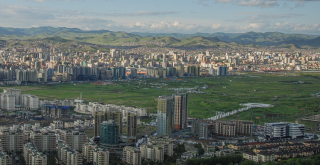


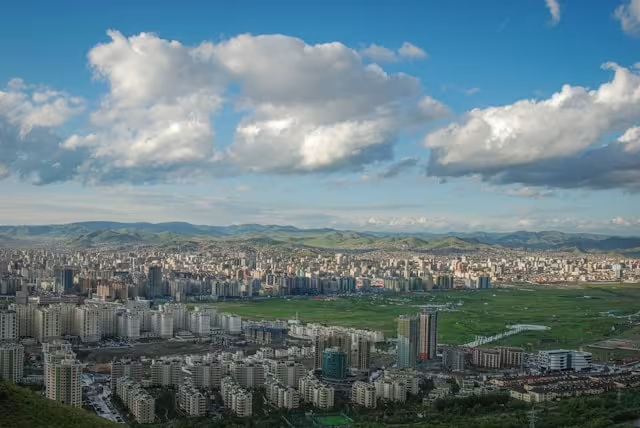
Ulaanbaatar participates in the GEF-8 Sustainable Cities Integrated Program (SCIP) through the Global Platform for Sustainable Cities (GPSC), supporting Mongolia’s vision for greener, more resilient, and inclusive urban development. As the country’s capital and home to nearly half of its population, Ulaanbaatar faces complex challenges including air pollution, inefficient heating systems, and rapid urban expansion. Through SCIP, the city is strengthening metropolitan integration, municipal finance, and innovative financing mechanisms to enable long-term investment in sustainable infrastructure. The program promotes integrated land-use planning, nature-based solutions for climate adaptation, and the deployment of low-carbon technologies across energy, transport, and waste sectors. Circular economy approaches are being incorporated into service delivery and resource management to reduce emissions and enhance efficiency. By aligning urban planning and budgeting cycles, Ulaanbaatar is building a pipeline of bankable projects that advance national climate goals while improving quality of life and environmental health for its growing population.