

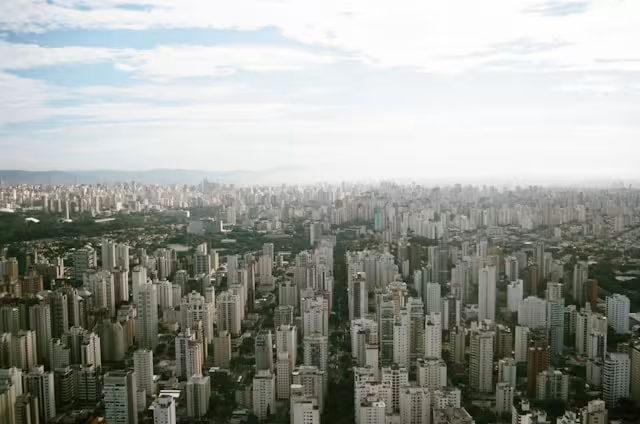
São Paulo

AREA:
1,521.20 km2 (587.34 sq mi)
POPULATION:
11,895,578
Brazil

Photo by Lucas Marcomini / Unsplash

As a GEF-8 lighthouse city, São Paulo will pilot deep integration of nature-positive infrastructure, decarbonised urban mobility, and green retrofits across its dense metropolitan fabric, with strong emphasis on financing instruments and cross-municipal coordination.

Recent Initiatives

Transit-Oriented Development

Transit-Oriented Development integrates transport planning, land use, and urban design to create compact, connected, and livable cities.

Municipal PPP

Municipal Public-Private Partnerships are long-term collaborations between local governments and private entities to deliver infrastructure and public services.

Gender and Cities

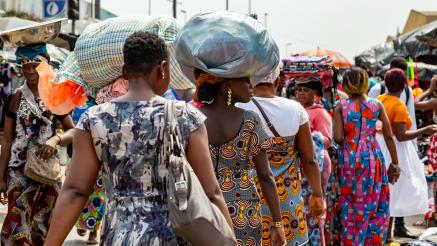
Women and girls face disproportionate climate impacts in cities, making gender equality essential to achieving resilient, inclusive urban development.
Related Content

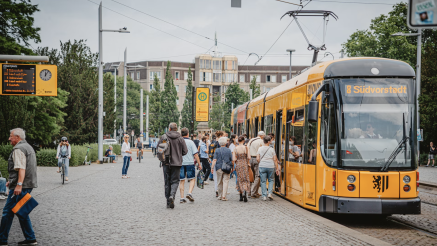
GPSC Mayors Round Table and Urban Nature Forum High‑level COP30 events unite global city leaders to advance climate action, launch GEF‑8 SCIP, and promote resilient, nature‑positive urban development.
Events

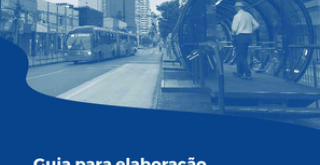
Transit-Oriented Development Implementation Resources and Tools (Portuguese) This toolkit guides cities in planning and implementing compact, transit‑focused development through adapted resources, practical tools, and integrated urban planning.
Knowledge Product

São Paulo Statement on Urban Sustainability The São Paulo Statement commits city leaders to integrated urban action on climate, biodiversity, and inequality, advancing global sustainability goals.
Knowledge Product

Geospatial data and Spatial planning [Resources] The City Academy introduces satellite data applications, sharing ESA‑supported case studies to raise awareness of geospatial tools for urban planning.
Knowledge Product