

Saint-Louis

AREA:
63.54 km²
POPULATION:
254,171 (2023 census)
Senegal

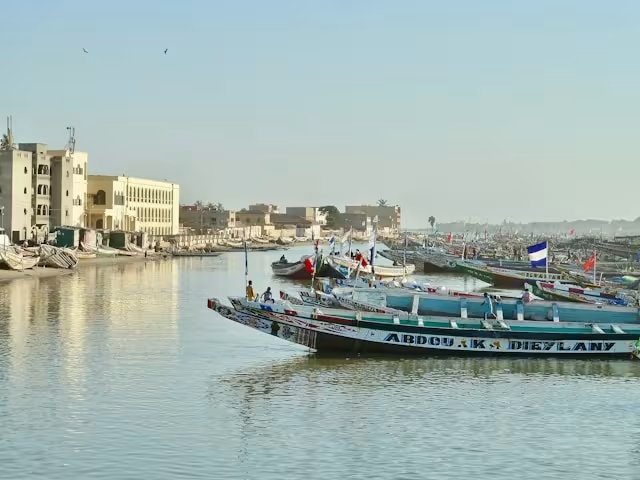
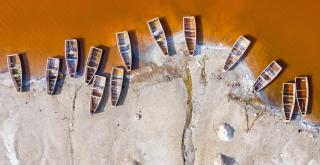
Saint-Louis, located at the mouth of the Senegal River, is a UNESCO World Heritage Site and one of West Africa’s most climate-vulnerable coastal cities. Participating in the GEF-6 Global Platform for Sustainable Cities (GPSC), Saint-Louis is integrating climate risks into urban planning and infrastructure design. The project enhances capacity for city management, promotes climate-resilient housing and public infrastructure, and strengthens national urban policy frameworks. Through the preparation of a Sustainable Cities Master Plan, Saint-Louis develops a strategic vision and pilot investments to address sea level rise, flooding, and coastal erosion. These interventions aim to safeguard the city’s cultural heritage, protect livelihoods, and promote sustainable, adaptive urban development along Senegal’s coastline.

Recent initiatives

Transit-Oriented Development

Transit-Oriented Development Public transportation is often a city’s best strategy to curb congestion and reduce greenhouse gas emissions. But rapidly expanding populations and insufficient financing

Municipal PPP

Well-designed and well-managed Public-Private Partnerships (PPPs) can deliver high-quality and cost-efficient infrastructure, helping municipalities address critical infrastructure needs in the face

Gender and Cities

The World Bank Group takes as its starting point that no country, community, or economy can achieve its potential or meet the challenges of the 21st century without the full and equal participation of
Related content

EO4SD-Urban Project: Saint Louis City Report GPSC is providing cities with urban extent imagery to facilitate a finer-grained understanding of urban expansion. This GPSC knowledge product for Saint Louis contains information related to the
Knowledge Product