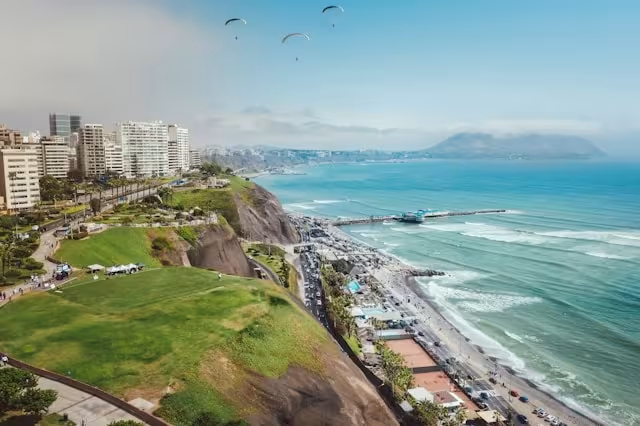
Photo by Aarom Ore / Unsplash
Lima–Callao participates in the GEF-8 Sustainable Cities Integrated Program (SCIP) through the GPSC Global Knowledge Platform, promoting nature-positive, resilient, and inclusive urban development across Peru’s largest metropolitan area. Building on its experience from the GEF-6 Global Platform for Sustainable Cities, where Lima advanced data-driven planning and low-carbon infrastructure initiatives, the city is deepening its commitment to integrated and sustainable urban management. Through SCIP, Lima–Callao strengthens land-use planning, applies nature-based solutions for flood control and ecosystem restoration, and expands decarbonized infrastructure and circular economy measures aligned with municipal planning cycles. These efforts aim to attract public and private investment, reduce greenhouse gas emissions, and enhance the livability of one of Latin America’s most dynamic coastal megacities—serving as a bridge between Peru’s GEF-6 achievements and its renewed GEF-8 sustainability vision.