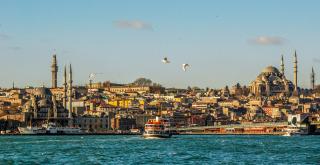



Photo by Anna Berdnik / Unsplash
Istanbul participates as a lighthouse city under the GEF-8 Sustainable Cities Integrated Program (SCIP), sharing its extensive experience in sustainable mobility, climate adaptation, and urban resilience. As one of the world’s largest metropolitan regions, Istanbul faces complex challenges related to density, resource use, and climate impacts. The city is implementing the Istanbul Climate Vision 2050 and the Green City Action Plan to promote low-carbon transport, improve waste management, and enhance energy efficiency. Through nature-based solutions and integrated urban planning, Istanbul works to reduce flood risk, strengthen ecosystem services, and improve air quality. By engaging through the GPSC Global Knowledge Platform, Istanbul supports peer cities in advancing sustainable urban transformation and climate-resilient growth.