

Design
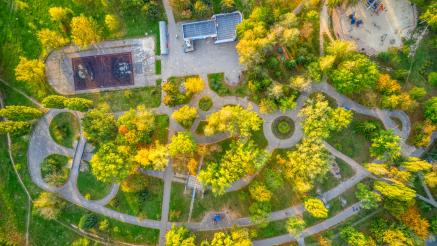
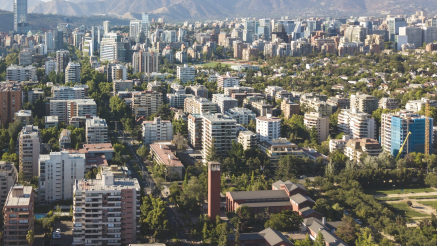
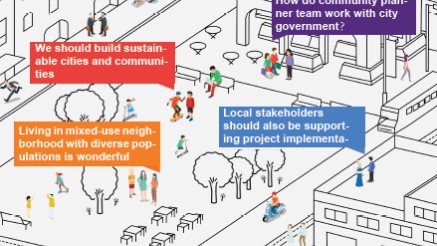
Urban design shapes the physical form and experience of the city. By integrating climate-responsive architecture, public spaces, and mixed-use neighborhoods, sustainable urban design enhances livability, social interaction, and ecological performance. It connects people with nature, supports low-carbon mobility, and creates inclusive, beautiful, and resilient urban environments that reflect local identity and culture.
Urbanscapes fosters collaboration across practice areas dedicated to advancing innovative and well-designed urban spaces that serve as catalysts for productive, livable, inclusive, and vibrant cities. It explores the design and function of public urban spaces—including parks, plazas, streets, waterfronts, and public buildings; examines urban fabric and placemaking, where physical form and economic and social activity intersect; considers cityscapes through the broader lens of planning, design, and architecture; and highlights streetscapes, focusing on the detailed aesthetic and functional elements—such as facades, lighting, landscaping, and materials—that define the character and experience of urban life.
Explore more resources in Knowledge Products, featuring case studies, toolkits, and technical guidance from cities around the world. Use the filters and categories to navigate by theme or topic and find content tailored to your city’s priorities.