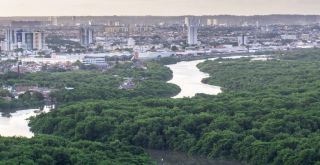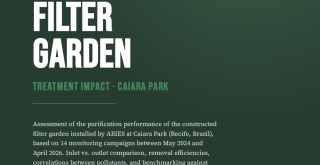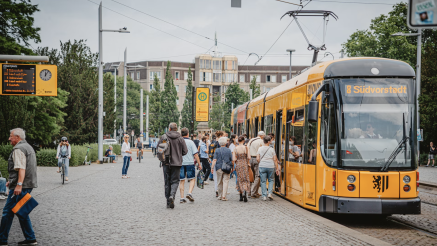



Recife, the capital of Pernambuco State and one of Brazil’s most densely populated coastal cities, participates in the GEF-6 Global Platform for Sustainable Cities (GPSC) to advance low-carbon, climate-resilient urban development. Recife faces complex challenges related to flooding, sea level rise, water shortages, and high energy demand. Building on its sustainability and mobility strategies, the city established the Recife Agency for Innovation and Strategy (ARIES) to promote integrated, long-term planning. Through GPSC support, Recife is strengthening its evidence base for the design and implementation of its urban mobility plan, resilience plan, and low-carbon strategy. The initiative focuses on reducing GHG emissions, improving transport efficiency, and integrating climate adaptation into land use and infrastructure planning. Recife’s work demonstrates how innovative governance and data-driven planning can help coastal cities adapt to climate change while improving livability and inclusiveness.