

Palembang

AREA:
352.51 km2 (136.10 sq mi)
POPULATION:
1,801,367
Indonesia

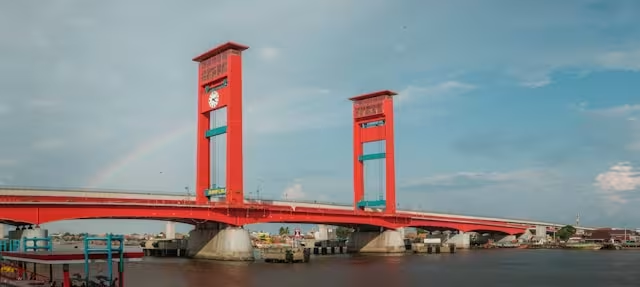
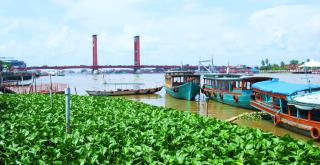
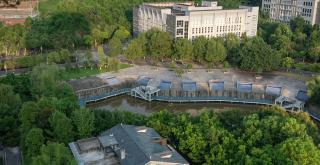
Palembang, the capital of South Sumatra province, joins the GEF-7 UrbanShift program to strengthen sustainable urban planning and ecosystem management in one of Indonesia’s most rapidly developing regions. Situated along the Musi River and surrounded by peatlands and plantations, the city faces severe environmental pressures from deforestation, water pollution, and air quality degradation linked to seasonal forest fires. UrbanShift supports Palembang in integrating climate and biodiversity considerations into municipal plans, improving waste and wastewater management, and advancing sustainable mobility. The program also promotes circular economy practices to reduce emissions from industrial and household sources and enhance resource efficiency. By developing low-emission infrastructure and strengthening inter-institutional collaboration, Palembang is charting a pathway toward a more resilient, inclusive, and environmentally sound urban future for South Sumatra.
Recent Initiatives

Transit-Oriented Development

What is TOD? Why TOD Matters From Concept to Practice Making TOD Work Explore Resources Transit-Oriented Development (TOD) is an integrated approach to urban planning that aligns transport, land use

Municipal PPP

What is Municipal PPP? Why Municipal PPP Matters Understanding the Context The PPP Project Cycle Municipal PPP Framework Municipal Public-Private Partnerships (PPPs) are long-term collaborations

Gender and Cities

Why Gender Matters Our Approach What We Do Explore Our Resources Featured Resources Gender equality is essential to achieving sustainable, resilient, and inclusive cities. Climate change

Theme

Keywords

Related Content

From Silos to Systems for Livable Cities: Embracing nature and biodiversity Today, more than 162 million people in Indonesia live in cities, more than 10 times the number when the country became independent in 1945. Rapid urbanization has put intense pressure on cities across
News & Blogs