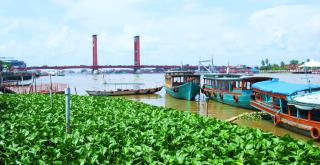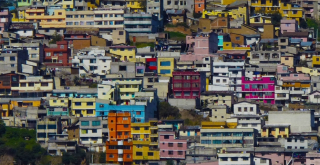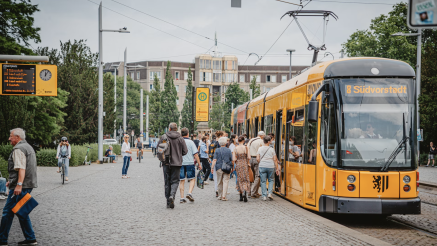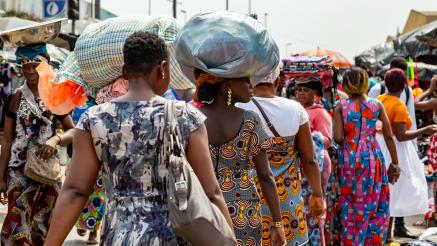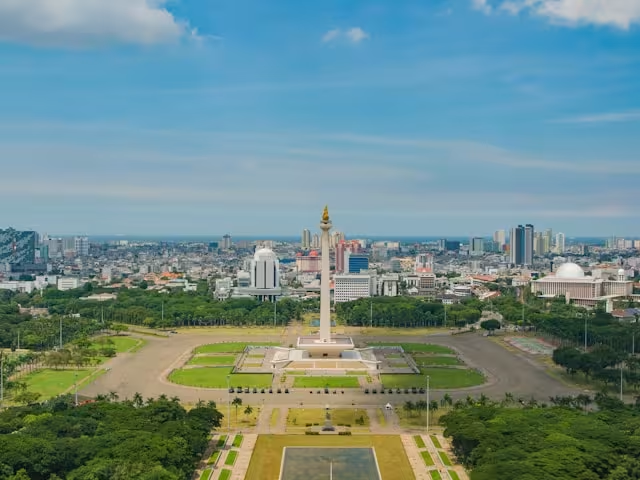
Jakarta, Indonesia’s capital and the largest city in Southeast Asia, participates in the GEF-7 UrbanShift program implemented by the World Bank in partnership with the Ministry of National Development Planning (BAPPENAS). Home to over 30 million people in its metropolitan area, Jakarta is a major economic hub generating nearly one-fifth of the country’s GDP. Yet, rapid urbanization, severe air pollution, and recurrent flooding pose significant challenges to its sustainability and livability. Large parts of the city lie below sea level, making it highly vulnerable to sea-level rise and land subsidence. Through UrbanShift, Jakarta is strengthening integrated spatial and urban management, promoting circular economy approaches in waste and energy systems, and piloting nature-based solutions for flood management and coastal protection. The initiative also supports improved governance, innovative financing, and the application of smart technologies to guide Jakarta’s transition toward a low-carbon, resilient, and inclusive urban future.