

Cities Advance Green Urban Infrastructure and Urban Nature Tourism at GPSC City Academy in Samarkand
09 JUNE 2026 /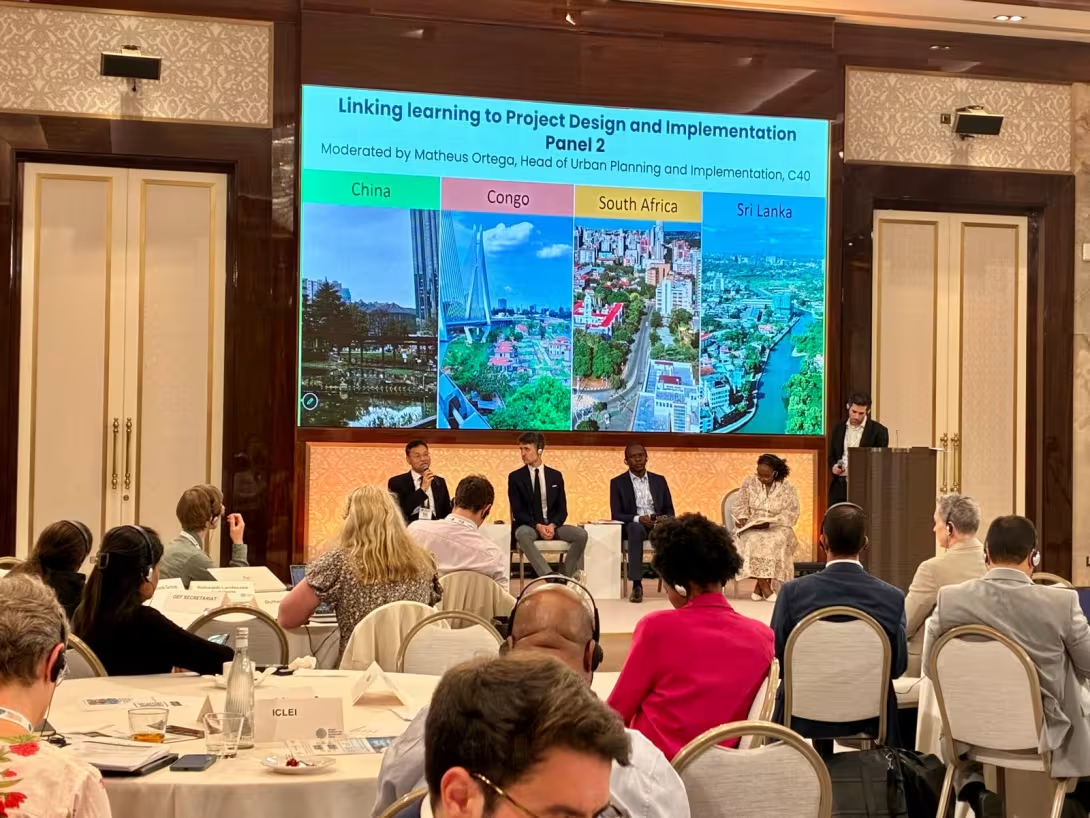
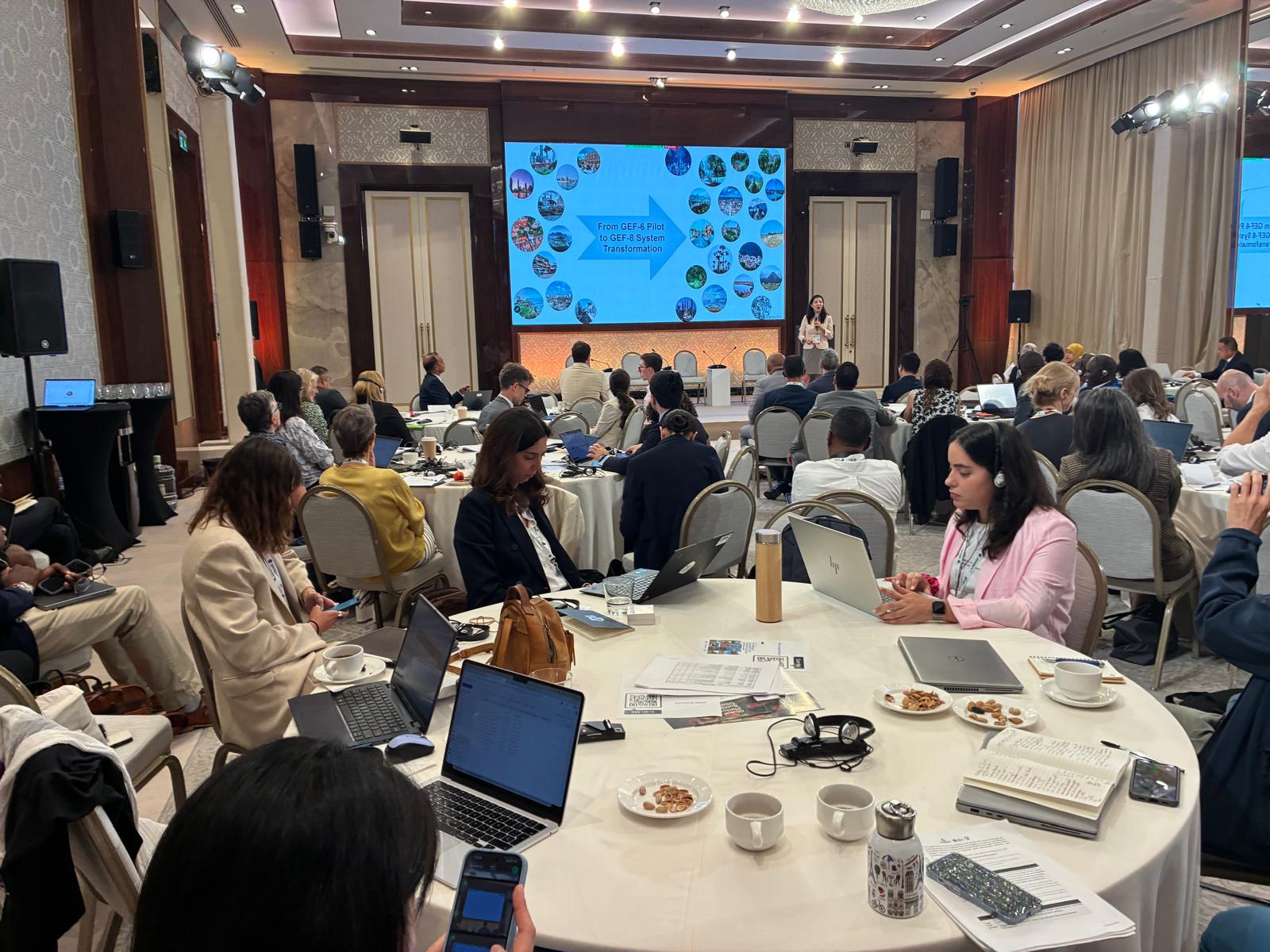
Held alongside the Eighth Assembly of the Global Environment Facility (GEF), the Global Platform for Sustainable Cities (GPSC) City Academy on Green Urban Infrastructure and Urban Nature Tourism brought together approximately 80 participants from more than 20 countries in Samarkand, Uzbekistan, from June 1–3, 2026.
The Academy convened city representatives, project teams, implementing agencies, development partners, and technical experts to exchange experiences and explore how green infrastructure can be planned and implemented as connected, multifunctional systems that strengthen resilience, support biodiversity, improve urban livability, and create opportunities for local economic development.
Organized by the GPSC in partnership with UNESCO, the Academy featured contributions from a diverse group of experts and partner organizations, including the European Space Agency (ESA), implementing agencies, development partners, and practitioners working across the Sustainable Cities Integrated Program (SCIP). Through presentations, panel discussions, interactive exchanges, and a dedicated site visit, participants explored practical approaches for translating green infrastructure concepts into implementable and scalable urban solutions.
A highlight of the Academy was the field visit to Samarkand, which examined the city’s historic urban fabric through the lens of green infrastructure. Participants explored how gardens, canals, courtyards, shaded streets, and markets functioned as interconnected systems that provided environmental, social, and economic benefits long before the concept of green infrastructure was formally defined. The visit demonstrated how heritage conservation, climate adaptation, tourism, and urban resilience can be planned together, offering valuable lessons for cities seeking integrated approaches to urban development.
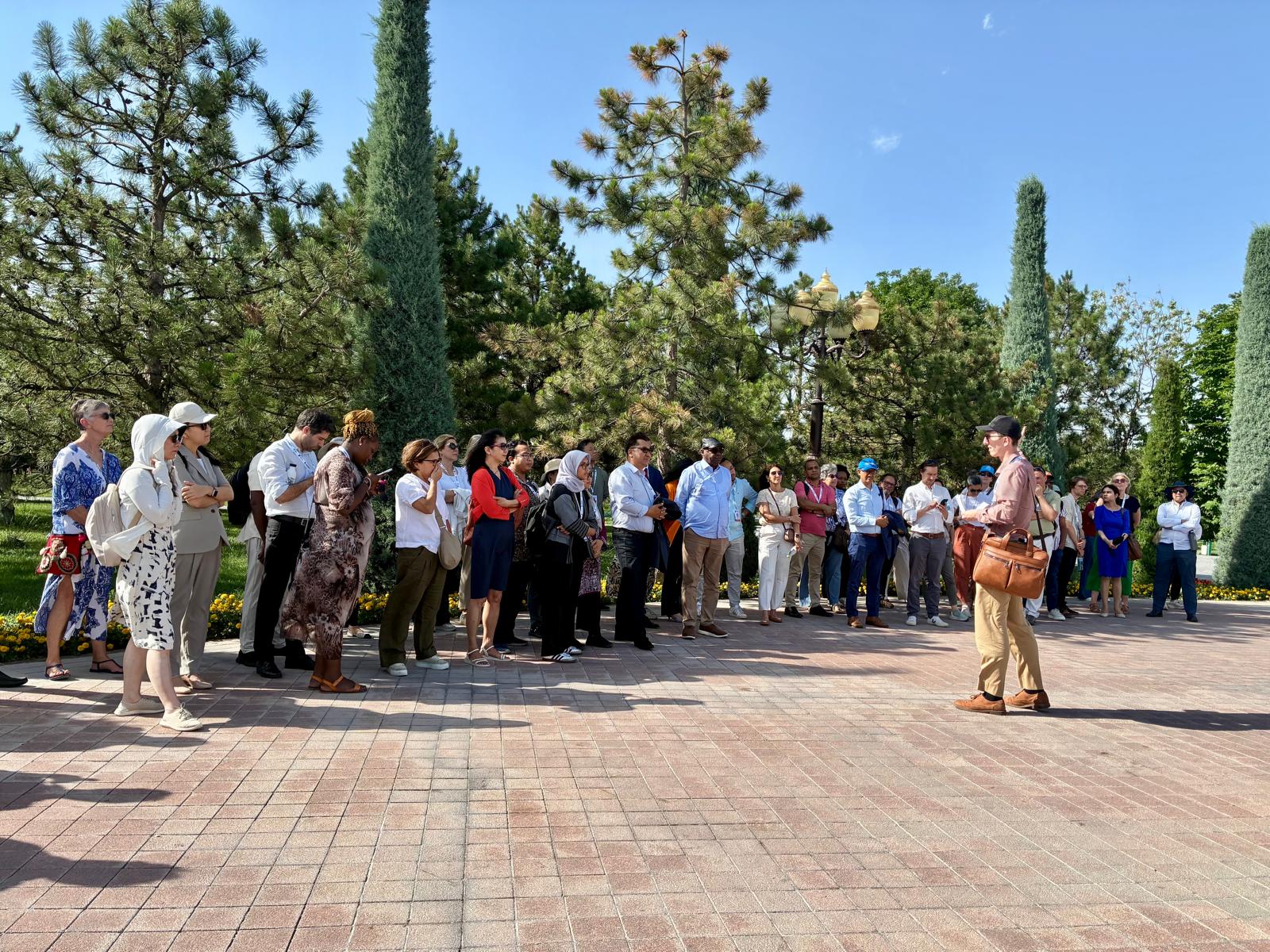
Over three days, discussions focused on a range of topics critical to advancing nature-positive urban development. Participants examined how green infrastructure can be planned as integrated urban networks rather than isolated interventions, drawing on the GPSC Green Infrastructure Handbook and experiences from cities around the world. Sessions also explored the role of spatial data and Earth observation tools in supporting decision-making, as well as opportunities to leverage green infrastructure and urban nature tourism to generate economic, social, and environmental benefits.
A key feature of the Academy was the exchange of experiences among participating cities and projects. Through city panels and peer learning sessions, delegates shared challenges, lessons learned, and innovative approaches to implementing green infrastructure, strengthening urban resilience, restoring ecosystems, and creating more connected urban environments.
One of the most important outcomes of the Academy was the development of City Action Plans. Throughout the event, participating delegations reflected on the lessons, tools, and case studies presented and translated them into concrete actions relevant to their local contexts. On the final day, cities presented their action plans, identifying priority interventions, implementation opportunities, and next steps for advancing green infrastructure and nature-positive urban development within their projects and communities.
The City Action Plans highlighted a strong commitment to integrated planning, cross-sectoral collaboration, biodiversity conservation, climate resilience, and sustainable urban growth. They also demonstrated the value of peer learning and international collaboration in helping cities move from ideas and concepts toward implementation and impact.
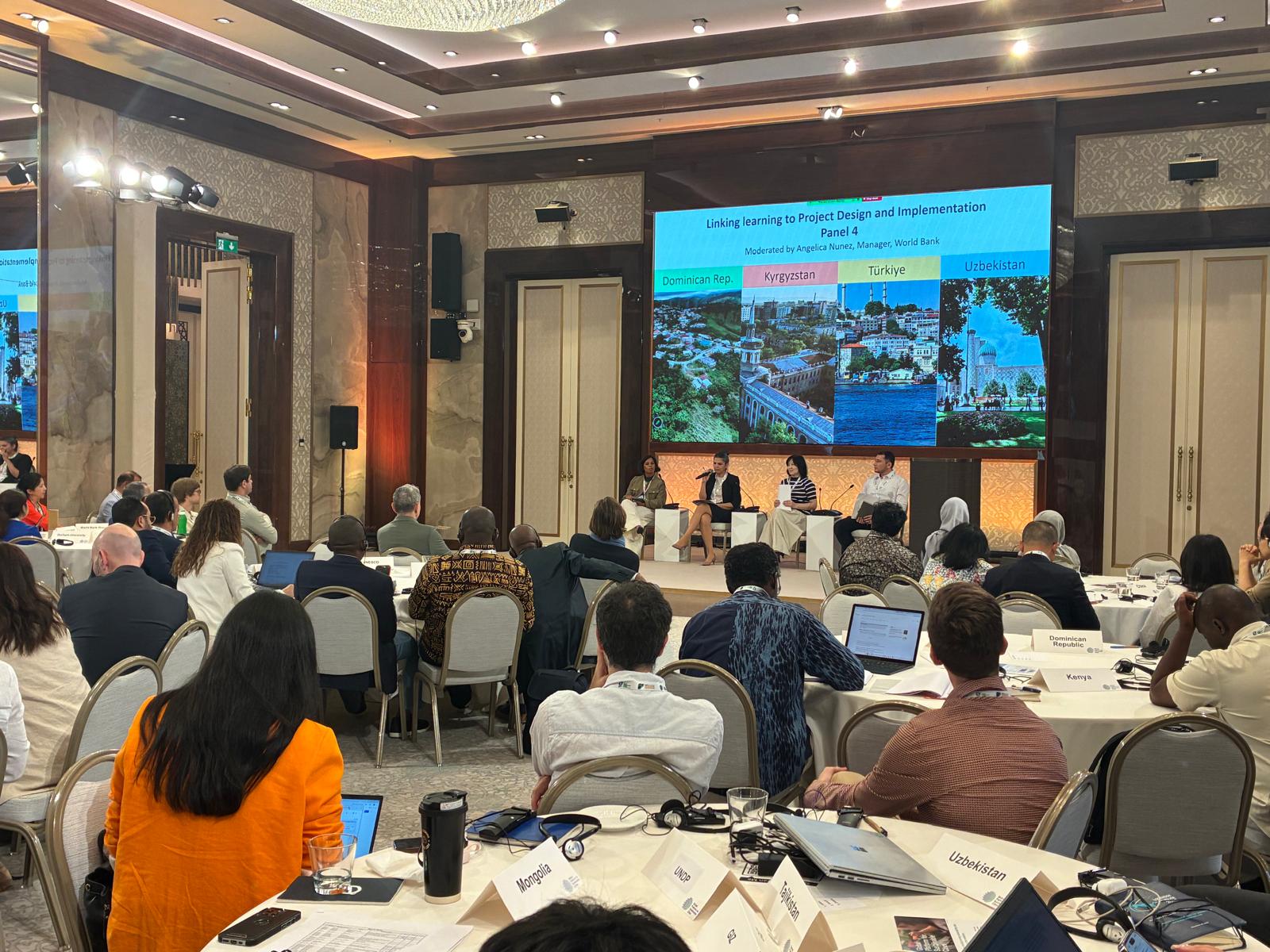
As cities continue to advance their projects, the Academy reinforced the importance of building connections between urban planning, nature, resilience, and economic development, while creating a growing community of practitioners committed to delivering more sustainable and livable cities.